Continuous Payroll

Continuous Payroll is a payroll approach in which payroll activities are performed continuously throughout the pay cycle rather than being concentrated around a single payroll processing date.

Traditional payroll often operates on a fixed schedule. Employee data is collected, reviewed, calculated, approved, and paid at predetermined intervals, such as weekly, biweekly, or monthly.

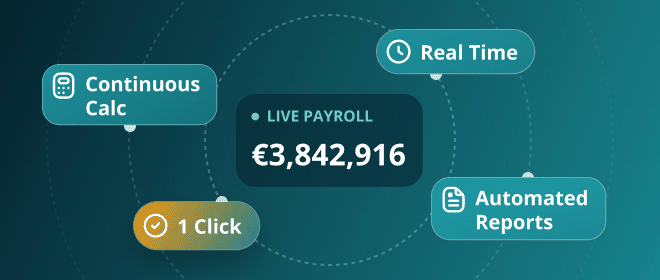
Continuous Payroll changes this model by allowing payroll data, calculations, validations, and related activities to be updated and processed closer to the moment when changes occur.

Instead of treating payroll as a periodic event, Continuous Payroll treats it as an ongoing business process.

What Does Continuous Payroll Mean?

At its simplest, Continuous Payroll means that payroll information is continuously maintained and processed rather than waiting until the end of a payroll cycle.

Employee information can change throughout the month. An employee may receive a bonus, record overtime, take leave, change their working hours, or experience a change in compensation.

In a traditional payroll environment, many of these changes may be accumulated and processed during a designated payroll run.

With Continuous Payroll, payroll systems can capture and validate these changes as they happen, helping payroll teams maintain a more current view of employee compensation.

The concept is closely connected to real-time payroll, payroll automation, cloud payroll, integrated HR systems, and on-demand pay, although these terms do not necessarily mean the same thing.

How Does Continuous Payroll Work?

Continuous Payroll relies on payroll technology that can receive, process, validate, and exchange information throughout the payroll cycle.

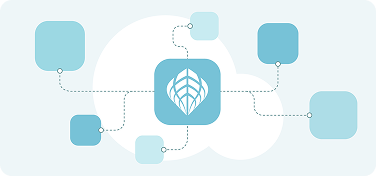
A typical Continuous Payroll environment may connect payroll with systems such as:

  • Human resources platforms.
  • Time and attendance systems.
  • Leave management systems.
  • Expense platforms.
  • Benefits systems.
  • Finance and accounting software.
  • Workforce management systems.

When information changes in one system, the relevant payroll information can be updated or made available to payroll without waiting for a manual end-of-cycle data collection process.

For example, if an employee’s approved overtime is recorded in a connected time-tracking system, the information can flow into the payroll environment for validation and eventual calculation.

The actual payment can still follow the employer’s normal payroll schedule. Continuous Payroll does not necessarily mean employees are paid continuously.

Continuous Payroll vs. Traditional Payroll

The biggest difference is the timing and flow of payroll activities.

Traditional payroll generally follows a sequence:

Collect → Validate → Calculate → Approve → Pay

Continuous Payroll expands this into an ongoing cycle:

Capture → Validate → Monitor → Update → Reconcile → Calculate → Pay

This does not eliminate the need for payroll cut-off dates, approvals, statutory reporting, or scheduled payments.

Instead, it can reduce the amount of work that needs to happen immediately before payroll is due.

Payroll teams can identify and resolve discrepancies earlier instead of discovering them during a final payroll review.

Is Continuous Payroll the Same as Real-Time Payroll?

Not necessarily.

Real-time payroll generally refers to the ability to process or calculate payroll information immediately or close to real time.

Continuous Payroll is a broader operating model in which payroll-related activities are continuously maintained throughout the pay cycle.

A payroll platform may therefore support real-time calculations without operating a fully Continuous Payroll model.

Similarly, an organisation can adopt continuous data validation and reconciliation while continuing to make employee payments according to a fixed monthly or biweekly schedule.

Why Are Businesses Moving Toward Continuous Payroll?

Payroll is becoming increasingly connected to other business systems.

Employees expect faster access to payroll information, HR teams expect payroll data to be available when they need it, and multinational employers must manage increasingly complex workforce and regulatory requirements.

At the same time, payroll teams are under pressure to reduce manual work and identify errors before payroll is finalised.

Continuous Payroll addresses these challenges by shifting payroll from a deadline-driven process to an always-on process.

Rather than asking, “Is payroll ready for this month’s run?”, organisations can work toward keeping payroll data continuously accurate and ready for the next payment cycle.

The Role of Automation in Continuous Payroll

Automation is a fundamental component of Continuous Payroll.

Automated processes can continuously monitor payroll inputs, validate employee information, identify missing data, reconcile records, and notify payroll teams when an exception requires attention.

For example, an automated payroll workflow could detect that an employee’s salary has changed in the HR system but has not yet been reflected in the payroll system.

Instead of discovering the discrepancy during the final payroll review, the issue can be flagged earlier.

This creates an important shift in payroll operations:

Automation moves payroll teams from correcting problems at the end of the cycle to preventing problems throughout the cycle.

Continuous Payroll and Payroll Accuracy

Payroll accuracy depends heavily on the quality and timing of payroll data.

When employee information is updated manually in multiple systems, inconsistencies can occur.

Continuous Payroll can reduce this risk by connecting systems and allowing relevant information to flow between them.

Continuous validation can also help identify:

  • Missing employee information.
  • Duplicate records.
  • Unusual compensation changes.
  • Unexpected overtime.
  • Incorrect deductions.
  • Inconsistent working hours.
  • Changes that require payroll review.

The objective is not to eliminate human review but to give payroll professionals more opportunities to identify issues before they affect an employee’s pay.

Continuous Payroll and Employee Experience

Continuous Payroll can also change the employee experience.

Employees may be able to access more current information about their earnings, deductions, leave, benefits, and other payroll-related information.

This can reduce the uncertainty employees sometimes experience between payroll processing dates.

Continuous payroll data can also support services such as earned wage access, where employees may be able to access a portion of earned wages before the normal payday, subject to the employer’s policies and applicable regulations.

However, earned wage access is a separate concept from Continuous Payroll.

Continuous Payroll for Global Payroll

The concept becomes particularly relevant for organisations managing employees across multiple countries.

Global payroll involves different pay frequencies, currencies, tax systems, statutory contributions, employment rules, and reporting requirements.

A continuous operating model can provide payroll teams with a more current view of changes across different entities and jurisdictions.

For example, a multinational employer may have employees in several countries where payroll calendars and statutory requirements differ.

Rather than relying exclusively on periodic manual data collection, integrated payroll technology can continuously capture relevant changes and route country-specific exceptions to the appropriate payroll team.

This can help create greater consistency across a global workforce while still allowing each country’s statutory requirements to be managed separately.

What Are the Benefits of Continuous Payroll?

The value of Continuous Payroll comes from changing when payroll work happens.

Instead of concentrating most payroll activities around the final processing date, organisations can distribute validation and exception management throughout the pay cycle.

This can lead to:

Earlier Error Detection

Potential payroll errors can be identified before the final payroll calculation.

Less Manual Reconciliation

Connected systems can reduce the need to repeatedly compare information across HR, time, benefits, and payroll platforms.

Faster Payroll Processing

When data has already been validated throughout the cycle, final payroll processing may require fewer manual interventions.

Better Visibility

Payroll, HR, and finance teams can work with more current payroll information.

Improved Employee Experience

Employees may receive faster access to payroll-related information and, where supported, more flexible access to earned wages.

Greater Scalability

Automated and continuously maintained payroll processes can help organisations manage workforce growth without increasing manual payroll administration at the same rate.

Does Continuous Payroll Mean Payroll Runs Every Day?

No.

This is one of the most common misconceptions about Continuous Payroll.

An organisation can operate Continuous Payroll while continuing to pay employees monthly, biweekly, weekly, or according to another established pay schedule.

The processing of payroll information can be continuous even when the payment of salaries remains periodic.

The distinction is important because Continuous Payroll is primarily an operating and technology model, not a requirement to change the frequency of employee payments.

Continuous Payroll and Payroll Compliance

Continuous processing does not remove statutory payroll obligations.

Employers must continue to comply with applicable requirements relating to tax withholding, social contributions, payroll reporting, recordkeeping, minimum wages, working time, and employee payments.

In fact, continuous payroll monitoring can make compliance management more proactive.

For example, a payroll system may be able to flag a change in an employee’s circumstances that could affect payroll treatment, allowing the relevant team to investigate the issue before the next payroll deadline.

However, automated systems should not be treated as the final authority on legislation. Country-specific payroll requirements should be validated against applicable laws and authoritative sources.

What Technology Enables Continuous Payroll?

Continuous Payroll is generally enabled by several technologies working together rather than by a single feature.

These may include:

Cloud payroll: Provides centralised access to payroll data and processing capabilities.

API integrations: Allow payroll systems to exchange information with HR and other business applications.

Workflow automation: Automates repetitive payroll activities and notifications.

Artificial intelligence: Can assist with anomaly detection, payroll queries, data analysis, and exception management.

Real-time data processing: Allows relevant information to be processed or made available shortly after changes occur.

Employee self-service: Gives employees access to payroll information without requiring payroll teams to handle every request manually.

Together, these technologies can create a payroll environment in which information is continuously available, monitored, and updated.

What Challenges Should Employers Consider?

Moving toward Continuous Payroll requires more than purchasing new payroll software.

Organisations need reliable data, well-defined processes, secure integrations, and clear ownership of payroll information.

Data security is particularly important because payroll systems contain sensitive employee and financial information.

Employers should also establish appropriate controls around automated payroll actions. Not every payroll change should be processed automatically.

High-impact decisions may still require review and approval by qualified payroll, HR, finance, or compliance professionals.

Is Continuous Payroll the Future of Payroll?

Continuous Payroll reflects a broader shift in payroll technology: from periodic processing toward continuous data and workflow management.

As HR, payroll, finance, and workforce systems become increasingly connected, organisations can move away from collecting and correcting information only at payroll cut-off.

The future payroll environment is likely to be more automated, integrated, proactive, and data-driven.

Continuous Payroll does not mean removing payroll calendars or human oversight. Instead, it means making payroll continuously ready by maintaining accurate information and resolving exceptions before they become payroll-day problems.

For employers, the long-term opportunity is to make payroll less about a recurring deadline and more about an always-on business function.

Frequently Asked Questions About Continuous Payroll

1. What is Continuous Payroll?

Continuous Payroll is an approach in which payroll data, validation, reconciliation, and related processes are maintained throughout the pay cycle rather than being concentrated around a single payroll processing date.

2. Does Continuous Payroll mean employees are paid every day?

No. Continuous Payroll does not require daily payments. Employees can continue to be paid according to their normal weekly, biweekly, monthly, or other agreed payroll schedule while payroll data is continuously updated and monitored.

3. What is the difference between Continuous Payroll and real-time payroll?

Real-time payroll generally refers to the ability to process payroll information immediately or close to real time. Continuous Payroll is a broader operating model that keeps payroll-related data and processes active throughout the pay cycle.

4. How does Continuous Payroll improve payroll accuracy?

Continuous Payroll can identify missing information, unusual transactions, data inconsistencies, and other exceptions earlier in the pay cycle. This gives payroll teams more time to investigate and correct issues before the final payroll run.

5. Can Continuous Payroll support global payroll?

Yes. Continuous Payroll can support global payroll by integrating HR, time, benefits, and payroll information across different countries. It can help multinational employers maintain more current payroll data while managing country-specific payroll and compliance requirements.

6. Is Continuous Payroll the same as earned wage access?

No. Continuous Payroll refers to the ongoing processing and management of payroll information. Earned wage access is a separate service that may allow employees to access part of their earned wages before their normal payday. An organisation can have Continuous Payroll without offering earned wage access.