Payroll Compliance Automation

Payroll Compliance Automation is the use of technology to automate processes that help employers meet payroll-related tax, employment, wage, reporting, and statutory requirements.

Payroll compliance involves more than calculating employee salaries correctly. Employers may need to apply changing tax rates, social security contributions, minimum wage rules, overtime requirements, statutory benefits, payroll reporting deadlines, and country-specific employment regulations.

Managing these requirements manually can become increasingly difficult as an organisation grows or operates across multiple jurisdictions.

Payroll Compliance Automation helps address this challenge by using payroll software, automated rules, integrations, alerts, validation processes, and other technologies to monitor and manage compliance requirements throughout the payroll cycle.

What Does Payroll Compliance Automation Mean?

Payroll Compliance Automation means using technology to reduce the amount of manual work involved in maintaining payroll compliance.

A traditional payroll process may depend heavily on payroll professionals manually checking legislation, updating calculations, reviewing employee records, and preparing statutory reports.

An automated compliance environment can support these activities by applying configured rules, identifying changes, validating payroll data, and alerting payroll teams when action may be required.

The purpose is not to remove human responsibility from payroll compliance.

Instead, automation helps payroll professionals identify compliance requirements earlier, apply consistent processes, and reduce avoidable administrative errors.

Why Is Payroll Compliance Difficult?

Payroll compliance is challenging because payroll sits at the intersection of several areas of employment and taxation.

An employer may need to consider:

  • Income tax withholding.
  • Social security contributions.
  • Minimum wage requirements.
  • Overtime and working-time rules.
  • Statutory leave.
  • Employee benefits.
  • Payroll reporting.
  • Tax filing deadlines.
  • Employment classifications.
  • Termination payments.
  • Local payroll requirements.

These rules can also change over time.

A tax rate may change at the beginning of a new tax year. A minimum wage may increase. A new reporting requirement may be introduced. A social contribution threshold may be revised.

For payroll teams, staying compliant therefore requires both accurate payroll data and current regulatory information.

How Does Payroll Compliance Automation Work?

Payroll Compliance Automation typically combines payroll technology with rules, regulatory updates, data validation, and workflow automation.

A simplified process looks like this:

Monitor → Update → Validate → Calculate → Flag → Review → Report

The system can receive or maintain relevant compliance rules and use them during payroll processing.

If a potential issue is identified, the system can flag it for review rather than allowing the payroll process to continue without attention.

For example, if an employee’s salary falls below an applicable minimum wage threshold after a compensation change, an automated validation process may identify the discrepancy before payroll is finalised.

What Can Payroll Compliance Automation Automate?

The exact capabilities depend on the payroll platform and the jurisdiction, but automation can support several areas.

Tax Calculations

Payroll systems can automatically apply configured tax rules, thresholds, deductions, and withholding calculations.

This reduces the need for payroll teams to manually calculate statutory deductions for every employee.

Social Security Contributions

Automation can help calculate applicable employee and employer social security contributions according to the relevant rules.

Minimum Wage Monitoring

Payroll systems can compare employee compensation and working hours against configured minimum wage requirements and flag potential issues.

Statutory Reporting

Automated payroll processes can help prepare and submit required payroll reports where the system supports the relevant jurisdiction and filing process.

Payroll Data Validation

Automated checks can identify missing, inconsistent, or unusual payroll information before it affects payroll results.

Compliance Alerts

Systems can notify payroll teams about regulatory changes, upcoming deadlines, or payroll conditions requiring attention.

Payroll Audit Support

Automation can create records of calculations, changes, approvals, and payroll activities, helping organisations maintain an audit trail.

Payroll Compliance Automation and Regulatory Changes

One of the most important applications of automation is helping payroll teams respond to regulatory change.

Payroll legislation can change frequently. Governments may revise tax rates, minimum wages, social contributions, reporting requirements, or employment rules.

Without an effective process, payroll teams may rely on spreadsheets, emails, manual research, or outdated information.

An automated compliance system can help organisations identify relevant changes and determine where payroll processes may need to be updated.

However, automation does not mean that every regulatory update should be accepted without review.

Payroll professionals should verify important changes against authoritative legal or government sources before implementing them.

What Are the Benefits of Payroll Compliance Automation?

Fewer Manual Errors

Automated calculations and validation checks can reduce errors caused by repetitive manual payroll work.

Faster Compliance Updates

Technology can help payroll teams identify and implement relevant changes more efficiently.

Consistent Payroll Processing

Automated rules can apply the same configured logic across employees who fall under the same payroll conditions.

Earlier Risk Detection

Automated checks can identify potential compliance problems before payroll is finalised.

Reduced Administrative Work

Payroll professionals can spend less time performing repetitive calculations and manual checks.

Better Auditability

Digital records can make it easier to understand what was calculated, changed, approved, or reported.

Greater Scalability

Automation becomes particularly valuable as organisations add employees, entities, payroll frequencies, or countries.

Payroll Compliance Automation for Global Employers

The value of automation becomes more apparent when an organisation operates across multiple countries.

Global employers may need to manage different tax systems, social security structures, minimum wages, statutory benefits, payroll calendars, currencies, reporting requirements, and employment regulations.

A manual compliance process can become difficult to scale across this environment.

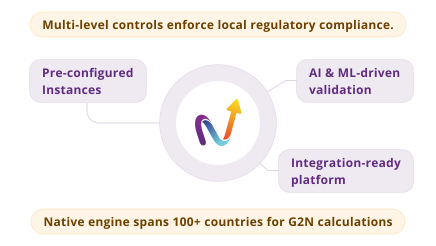
Payroll Compliance Automation can centralise or coordinate many of these processes while allowing country-specific rules to be applied where necessary.

For example, an organisation with employees in France, Germany, Japan, and Brazil cannot simply apply one global payroll rule.

Each country may require different calculations and statutory reporting.

A well-designed automated payroll environment can therefore combine global payroll controls with local compliance rules.

Does Payroll Compliance Automation Guarantee Compliance?

No.

Automation can significantly support payroll compliance, but it does not guarantee that an employer will always be compliant.

Several factors still require human oversight.

Payroll systems depend on accurate employee data and correctly configured rules. A system can produce an incorrect result if the underlying information is incomplete, a rule has been configured incorrectly, or a legislative change has not been properly implemented.

Organisations should therefore treat automation as a compliance control, rather than a substitute for professional review.

Payroll teams should maintain processes for reviewing regulatory changes, testing system updates, investigating exceptions, and validating important payroll calculations.

Payroll Compliance Automation and AI

Artificial intelligence can extend the capabilities of payroll compliance automation.

AI-powered systems can potentially analyse large volumes of regulatory information, identify relevant changes, classify compliance requirements, detect unusual payroll patterns, and assist payroll teams in investigating exceptions.

For example, an AI system could identify a newly published minimum wage regulation and flag that it may affect employees in a particular jurisdiction.

However, AI-generated regulatory information should always be verified against authoritative sources before it is used to make payroll decisions.

This is particularly important when dealing with tax rates, statutory contributions, employee entitlements, and other high-impact payroll requirements.

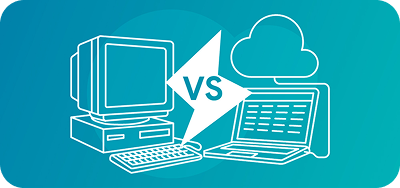
Payroll Compliance Automation vs. Payroll Automation

The two concepts are related but not identical.

Payroll Automation focuses on automating payroll operations such as data collection, calculations, approvals, payments, and reporting.

Payroll Compliance Automation specifically focuses on helping ensure that those processes follow applicable laws, regulations, and statutory requirements.

In practice, the two often operate together.

A payroll system may automatically calculate an employee’s salary while simultaneously applying the applicable tax, social contribution, minimum wage, and other statutory rules.

What Should Employers Automate First?

Organisations do not need to automate every payroll compliance process simultaneously.

A practical starting point is to identify processes that are:

  • Repetitive.
  • High volume.
  • Rule-based.
  • Time-sensitive.
  • Prone to manual errors.
  • Difficult to monitor manually.

Payroll calculations, statutory deductions, employee data validation, compliance alerts, and recurring reporting processes can be suitable candidates.

More complex decisions involving legal interpretation or unusual employee circumstances may still require human review.

How Can Employers Implement Payroll Compliance Automation?

A successful implementation begins with understanding the organisation’s existing payroll and compliance processes.

Employers should first identify the jurisdictions in which they operate and document the requirements that affect payroll.

They can then:

Assess current processes: Identify manual compliance tasks and recurring sources of errors.

Prioritise automation: Focus on high-volume and rule-based processes first.

Improve data quality: Ensure employee, compensation, tax, and working-time information is accurate.

Connect systems: Integrate HR, time tracking, benefits, payroll, and finance systems where appropriate.

Establish regulatory monitoring: Create a reliable process for identifying legislative changes.

Define human approval points: Determine which automated actions require payroll, HR, legal, or compliance review.

Test changes: Validate new rules and calculations before they are applied to live payroll.

Maintain audit trails: Keep appropriate records of payroll changes, approvals, calculations, and reporting.

What Risks Should Employers Consider?

Automation can reduce payroll risk, but poorly designed automation can also create new risks.

Incorrect Configuration

A payroll system may consistently apply the wrong rule if it has been configured incorrectly.

Outdated Regulations

Automation is only effective when the underlying compliance information is current.

Poor Data Quality

Incorrect employee information can result in incorrect payroll calculations even when the system itself is working correctly.

Over-Automation

Not every payroll decision should be automated. Complex or high-impact cases may require qualified human review.

Data Security

Payroll systems process sensitive employee, financial, and tax information. Organisations must implement appropriate access controls and security measures.

The Role of Payroll Professionals

Payroll Compliance Automation changes the role of payroll professionals rather than eliminating the need for them.

Instead of spending most of their time on repetitive calculations and manual compliance checks, payroll professionals can focus more on:

  • Investigating exceptions.
  • Reviewing regulatory changes.
  • Managing complex employee cases.
  • Validating automated calculations.
  • Improving payroll processes.
  • Supporting audits.
  • Coordinating with HR, finance, and legal teams.

The combination of automation and payroll expertise can create a more proactive compliance environment.

The Future of Payroll Compliance Automation

Payroll compliance is moving toward a more automated, connected, and proactive model.

As payroll systems increasingly integrate with HR, finance, workforce management, and regulatory information sources, organisations can identify compliance issues earlier and reduce dependence on manual processes.

Artificial intelligence may further expand these capabilities by helping payroll teams interpret regulatory information, identify anomalies, and prioritise compliance risks.

The strongest payroll compliance models will not rely on automation alone. They will combine accurate data, current regulatory information, automated controls, secure technology, and human oversight.

For employers operating across multiple countries, this approach can make payroll compliance more scalable while reducing the administrative burden of managing constantly changing requirements.

Frequently Asked Questions About Payroll Compliance Automation

1. What is Payroll Compliance Automation?

Payroll Compliance Automation is the use of technology to automate processes that help employers comply with payroll-related tax, wage, employment, reporting, and statutory requirements.

2. What can Payroll Compliance Automation automate?

It can support tax calculations, social security contributions, minimum wage checks, statutory reporting, payroll data validation, compliance alerts, reconciliations, and audit processes, depending on the payroll system and jurisdiction.

3. Does Payroll Compliance Automation guarantee payroll compliance?

No. Automation supports compliance but does not guarantee it. Employers still need accurate data, correctly configured payroll rules, current regulatory information, testing, and appropriate human oversight.

4. How does automation help with changing payroll regulations?

Automated compliance systems can help identify relevant regulatory changes, update applicable payroll rules, flag affected employees, and notify payroll teams about actions that may be required. Important regulatory changes should still be verified against authoritative sources.

5. Is Payroll Compliance Automation useful for global payroll?

Yes. It can be particularly valuable for multinational employers that must manage different tax, social security, wage, reporting, and employment requirements across multiple jurisdictions.

6. What is the difference between Payroll Automation and Payroll Compliance Automation?

Payroll Automation focuses broadly on automating payroll operations, while Payroll Compliance Automation specifically focuses on helping payroll processes follow applicable legal and statutory requirements. The two functions often work together within modern payroll systems.