Real-Time Payroll Processing: Definition, Benefits, Challenges, and How It Works

Traditional payroll follows a fixed schedule, with salaries calculated and paid on predetermined dates. However, as businesses adopt more connected HR systems, automated workflows, and flexible payment models, the demand for faster payroll operations is growing. Real-time payroll processing represents an approach in which payroll-related information is updated and processed as events occur, rather than relying entirely on periodic manual updates.

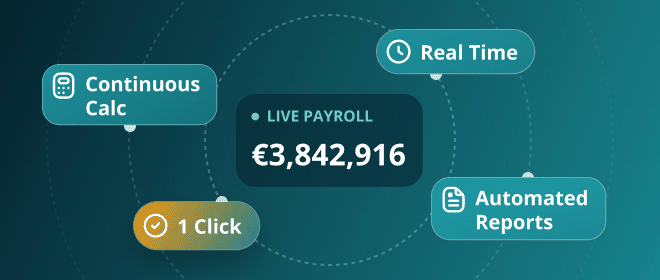
Real-time payroll processing refers to the use of integrated systems and automated workflows to update, calculate, validate, or communicate payroll information as new data becomes available. Depending on the system, this may include changes to working hours, overtime, employee status, compensation, or approved leave.

Real-time processing does not necessarily mean that employees receive their salaries instantly. Payment timing still depends on the employer’s payroll schedule, approval procedures, banking infrastructure, and applicable wage-payment regulations.

For organizations managing employees across multiple locations, real-time payroll capabilities can improve data visibility, reduce processing delays, and support more informed payroll decisions.

What Is Real-Time Payroll Processing?

Real-time payroll processing is a payroll management approach that uses timely data exchange and automated calculations to keep payroll information updated as relevant events occur.

In a conventional payroll model, employee changes and working hours may be collected throughout a pay period and processed together before payday. With real-time capabilities, connected systems can transmit information and trigger calculations or validation checks when an employee’s details change.

For example, when an approved overtime entry is recorded in a timekeeping system, an integrated payroll platform may update the employee’s calculated earnings without waiting for a separate manual data-entry process.

The extent of automation varies by platform. Some systems update payroll data continuously, while others process changes through scheduled integrations or event-triggered workflows.

The main objective is to make payroll information available sooner and improve the accuracy and efficiency of payroll operations.

How Does Real-Time Payroll Processing Work?

Real-time payroll processing relies on connected systems, timely data updates, automated calculations, and appropriate validation controls.

1. Employee Data Is Updated

Information enters the payroll environment from HR systems, timekeeping applications, benefits platforms, or other connected sources.

Typical updates include changes to employee details, approved working hours, overtime, leave, and compensation.

2. Systems Exchange Data

Integration technologies transfer relevant information between connected applications. Depending on the architecture, data may be exchanged through APIs, event-driven integrations, or other automated interfaces.

Reliable data transfer helps ensure that payroll calculations use current and consistent information.

3. Payroll Calculations Are Updated

The payroll system processes relevant changes using configured pay rules, employee compensation details, and applicable calculation logic.

For example, an approved bonus or overtime entry may trigger a recalculation of the affected payroll components.

4. Validation Checks Identify Errors

Automated checks can flag missing information, unusual amounts, duplicate entries, or changes that require additional approval.

Not every update should automatically become a finalized payroll transaction. Sensitive changes may require human review or authorization before they can affect an employee’s pay.

5. Payroll Information Becomes Available for Review

Authorized HR, payroll, and finance teams can review updated calculations, investigate exceptions, and monitor payroll activity.

The system may also update payroll reports or accounting information, depending on its integration capabilities.

6. Payments Follow the Applicable Payroll Schedule

Once payroll has been reviewed and approved, payments are made according to the employer’s procedures and applicable local requirements.

Real-time data processing can support faster and more accurate payroll preparation, but it does not remove the need for payment authorization, statutory deductions, or compliant pay schedules.

What Are the Benefits of Real-Time Payroll Processing?

Real-time payroll capabilities can improve how organizations collect, validate, and manage payroll information.

Improved Payroll Accuracy

Timely data exchange reduces the risk of calculations being based on outdated employee records or incomplete timekeeping information.

Automated validation can also help identify discrepancies earlier, although accurate results still depend on reliable source data and correctly configured payroll rules.

Reduced Manual Administration

Automating data transfers and routine calculations can reduce repetitive tasks for payroll teams.

This allows payroll professionals to spend more time investigating exceptions, checking compliance, and resolving complex employee pay issues.

Greater Payroll Visibility

Up-to-date payroll information helps authorized teams monitor changes to earnings, identify potential issues, and understand payroll costs during the pay period.

This visibility can support more informed decisions by HR, finance, and payroll managers.

Faster Issue Detection

When data discrepancies are identified closer to the time they occur, payroll teams may have more time to correct them before payroll is finalized.

For example, an integration alert can highlight missing working hours or an unexpected compensation change that requires verification.

Better Employee Experience

Employees may benefit from more timely updates to their pay information, leave records, overtime calculations, and payroll-related queries.

However, the employee experience depends on the quality of the system, the availability of self-service features, and how quickly payroll teams resolve issues.

More Informed Workforce Cost Management

Timely payroll data can help finance teams monitor labor costs, overtime expenditure, and departmental spending throughout the reporting period.

This can support forecasting and budget management, provided that preliminary payroll figures are clearly distinguished from approved and finalized amounts.

Real-Time Payroll Processing vs. Traditional Payroll Processing

The main difference is how quickly payroll information is updated and made available for action.

In a traditional payroll process, data is often collected over a defined period and processed in batches before payday. Real-time payroll capabilities allow relevant changes to flow through connected systems more promptly.

For example, a traditional workflow may require a payroll administrator to import approved overtime records at the end of the pay period. An integrated real-time workflow may transfer those records as soon as they are approved.

However, both approaches can operate within the same regular pay schedule. Real-time processing is primarily about the speed of data exchange and calculation, not necessarily the frequency of salary payments.

Many organizations use a hybrid model in which employee information is updated continuously, while payroll approval and salary disbursement continue on established schedules.

What Technologies Enable Real-Time Payroll Processing?

Several technologies can support more responsive payroll workflows.

Application Programming Interfaces (APIs)

APIs allow compatible systems to exchange information through defined interfaces. They can connect payroll software with HR platforms, timekeeping systems, benefits applications, and finance tools.

Cloud-Based Payroll Platforms

Cloud-based systems can provide centralized access to payroll information and support integrations across locations. Their real-time capabilities depend on the platform’s architecture, configuration, and connected applications.

Event-Driven Automation

Event-driven systems trigger actions when a defined event occurs, such as an approved salary change or a completed timesheet.

These workflows can reduce delays between a change being recorded and the payroll system receiving or processing it.

Automated Validation and Monitoring

Automated controls can identify incomplete records, unexpected changes, and potential calculation errors. Monitoring tools can also notify payroll teams when integrations fail or require attention.

Automation should complement, rather than replace, appropriate payroll reviews and approval controls.

What Are the Challenges of Real-Time Payroll Processing?

Despite its advantages, real-time payroll processing requires reliable technology, accurate data, and appropriate governance.

Data Quality and Inconsistent Records

If connected systems contain conflicting employee information or incorrect working hours, automation may transfer errors more quickly.

Organizations should establish clear data ownership, validation rules, and procedures for correcting source records.

Integration Complexity

Businesses may operate multiple HR, timekeeping, and payroll applications, some of which may not support frequent data exchange.

Integration projects can require system configuration, data mapping, testing, and ongoing maintenance.

Compliance and Calculation Requirements

Payroll calculations depend on local tax rules, statutory contributions, wage requirements, and other jurisdiction-specific obligations.

Real-time processing does not automatically ensure compliance. Payroll systems must use appropriate local rules, and changes to those rules must be reviewed and implemented correctly.

Security and Privacy

Frequent data exchange can create additional points at which sensitive employee information is processed or transferred.

Organizations should apply appropriate authentication, encryption, access controls, monitoring, and data-retention policies.

Approval and Governance Requirements

Some payroll changes require review before they can be applied. For example, an unusual salary adjustment or change to bank details may require additional verification.

Businesses must determine which actions can be automated and which require explicit approval.

Implementation and Maintenance Costs

Upgrading systems, building integrations, training employees, and maintaining interfaces can require significant resources.

Organizations should assess whether the expected improvements justify the implementation costs and operational complexity.

Best Practices for Implementing Real-Time Payroll Processing

A successful implementation requires a clear understanding of business requirements and the controls needed to maintain reliable payroll operations.

1. Assess Existing Payroll Workflows

Identify where delays occur, which tasks are manual, and which systems hold essential payroll information.

Start with processes where timely updates can provide clear operational benefits.

2. Integrate Reliable Data Sources

Connect payroll software with appropriate HR, timekeeping, and finance systems. Confirm that employee records, compensation details, and working-hour data are transferred accurately.

3. Establish Validation and Approval Rules

Define which changes can be processed automatically and which require review.

Use validation checks to identify incomplete records, unusual transactions, and potential errors before payroll is finalized.

4. Maintain Security Controls

Restrict access according to job responsibilities and protect information during storage and transfer.

Review connected applications and third-party providers to understand how employee data is handled.

5. Test Payroll Scenarios Thoroughly

Test common transactions as well as exceptions, including overtime, bonuses, leave adjustments, employee departures, and retroactive pay changes.

Compare system results with independently verified calculations before introducing changes into live payroll operations.

6. Monitor Performance Continuously

Track integration failures, calculation discrepancies, processing delays, and unresolved exceptions.

Clear escalation procedures help payroll teams address problems before they affect employees.

7. Train Payroll and HR Teams

Employees responsible for payroll should understand how the system processes updates, which approvals remain necessary, and how to investigate exceptions.

Training helps ensure that automation is used consistently and that responsibilities remain clear.

How Does Real-Time Payroll Processing Support Global Payroll?

For multinational businesses, payroll data may originate from different HR systems, timekeeping platforms, and local payroll providers. Coordinating this information across countries can be difficult when systems operate independently or updates are delayed.

Real-time payroll capabilities can help improve the timeliness of data exchange, provide greater visibility into payroll changes, and support consolidated reporting.

However, international payroll requires more than fast data processing. Employers must also account for local currencies, tax requirements, statutory contributions, wage-payment rules, data protection obligations, and differences in payroll calendars.

A system that updates information quickly must still apply the correct local rules and preserve appropriate approval and reconciliation procedures.

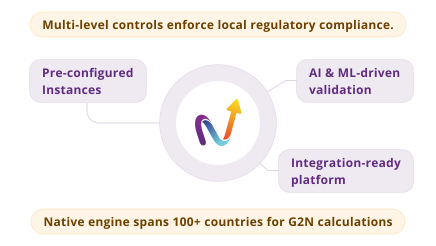
Mercans provides global payroll technology and services designed to help businesses coordinate payroll operations across multiple countries. Its Global Payroll SaaS solution can be evaluated as part of a broader strategy for improving payroll coordination and data management across markets.

Organizations should confirm the specific real-time processing, integration, and reporting capabilities available for their systems and requirements. Real-time payroll processing and instant salary payment are distinct capabilities and should not be treated as interchangeable.

Frequently Asked Questions About Real-Time Payroll Processing

What is real-time payroll processing?

Real-time payroll processing is an approach that uses timely data exchange and automated workflows to update, calculate, or validate payroll information as relevant events occur. It can help organizations identify changes and potential errors sooner.

Does real-time payroll processing mean employees get paid instantly?

No. Real-time processing refers to how quickly payroll information is updated or processed. Salary payments may still follow the employer’s regular payroll schedule and remain subject to approval procedures, banking arrangements, and local wage-payment rules.

What is the difference between real-time payroll and automated payroll?

Automated payroll uses technology to perform tasks such as calculating wages, applying configured rules, or generating reports. Real-time payroll emphasizes how promptly information is updated and processed. An automated payroll system may still rely on scheduled batch processing rather than real-time updates.

What are the main benefits of real-time payroll processing?

Benefits may include improved data accuracy, reduced manual administration, faster issue detection, greater payroll visibility, and more timely workforce cost reporting. Results depend on data quality, integration reliability, and the controls in place.

Which systems can support real-time payroll processing?

Depending on compatibility and configuration, payroll software can exchange information with HRIS platforms, time and attendance systems, benefits applications, finance software, and workforce management tools.

Is real-time payroll processing suitable for multinational companies?

It can be useful for multinational companies that need timely payroll information across multiple markets. However, implementation must account for country-specific payroll rules, local payment schedules, currencies, privacy requirements, and differences between systems.

What challenges can businesses face when implementing real-time payroll?

Common challenges include inconsistent data, integration complexity, security risks, compliance requirements, approval controls, and ongoing maintenance costs. Careful planning, testing, and monitoring can help address these issues.

How can Mercans help businesses manage global payroll?

Mercans provides global payroll technology and services designed to support payroll operations across countries. Businesses can explore Mercans Global Payroll SaaS to assess its relevance to their international payroll requirements and confirm which integration and processing capabilities are available.