Global Payroll Integration: Definition, Benefits, Challenges, and Best Practices

Managing payroll across multiple countries involves more than calculating salaries and issuing payments. Businesses must coordinate employee records, working hours, tax calculations, statutory contributions, reporting requirements, and payment processes across different systems and jurisdictions. Global payroll integration connects these processes to help organizations manage international payroll operations more consistently.

Global payroll integration is the process of connecting payroll software with other business systems, such as human resources information systems (HRIS), time and attendance platforms, finance applications, and workforce management tools. It enables relevant employee and payroll data to move between systems, reducing repetitive data entry and supporting more efficient payroll processing.

For multinational organizations, integration can improve visibility into payroll operations, strengthen data consistency, and simplify coordination between local payroll teams and central finance or HR departments.

What Is Global Payroll Integration?

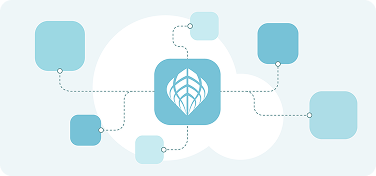
Global payroll integration refers to connecting payroll systems, employee databases, and financial applications across multiple countries so that relevant information can be exchanged and processed efficiently.

Instead of maintaining disconnected systems for employee information, time tracking, compensation, and payroll calculations, organizations can establish integrated workflows that help keep data aligned.

For example, when an employee’s salary changes in an HR system, an integration may transfer the updated compensation information to the relevant payroll platform. The payroll team can then validate the change and apply it during the appropriate pay cycle.

The precise level of automation depends on the systems involved, the integration method, and the organization’s approval procedures.

Global payroll integration does not necessarily mean that every country uses one payroll engine or follows identical processes. Organizations may connect several local payroll systems to a central platform while retaining country-specific calculations and compliance requirements.

How Does Global Payroll Integration Work?

Global payroll integration typically involves connecting systems, mapping data, validating information, and establishing workflows for processing payroll across different markets.

1. Collect Employee and Workforce Data

Employee information is maintained across systems such as HR platforms, timekeeping applications, benefits systems, and payroll software.

Relevant information may include:

  • Employee identification and employment details
  • Salary, hourly rates, and compensation changes
  • Working hours, overtime, and approved leave
  • Bonuses, allowances, and benefits
  • Department, cost center, and organizational details

The organization determines which data each system requires and establishes controls over how that information is shared.

2. Connect the Relevant Systems

Systems can be connected through application programming interfaces (APIs), prebuilt connectors, secure file transfers, middleware, or other supported integration methods.

The appropriate method depends on the platforms involved, their technical capabilities, security requirements, and the frequency with which information needs to be exchanged.

3. Map and Validate Payroll Data

Different systems may use different field names, formats, employee identifiers, currencies, or organizational structures. Data mapping establishes how information in one system corresponds to information in another.

Validation checks help identify missing fields, inconsistent records, invalid values, or duplicate employee entries before the information is used for payroll processing.

4. Process Payroll in Each Country

The relevant payroll system uses validated information to calculate earnings, deductions, taxes, contributions, and net pay according to the applicable local rules.

Integration supports the movement of data, but it does not automatically guarantee that payroll calculations are compliant. Country-specific payroll rules and statutory requirements must still be maintained and reviewed.

5. Consolidate Payroll Results

After local payroll processing, organizations can bring selected payroll outputs into central reporting or finance systems.

Depending on the integration, consolidated information may include payroll costs, employer contributions, currency totals, cost-center allocations, and payment summaries.

This gives finance and HR teams a broader view of international payroll without requiring every local process to be identical.

6. Reconcile and Monitor Results

Integration workflows should include checks to compare source data, payroll outputs, payment records, and accounting entries.

Exception reporting, reconciliation procedures, and audit logs help identify failed transfers, missing records, incorrect mappings, or unexpected changes that require investigation.

Why Is Global Payroll Integration Important?

Disconnected payroll systems can create duplicated work, inconsistent records, and limited visibility into international workforce costs. Integration helps organizations address these challenges by connecting the information needed to run and monitor payroll.

Improved Data Accuracy

When employee information is transferred through controlled integrations, organizations can reduce manual re-entry and the errors associated with maintaining the same information in multiple systems.

Validation and reconciliation remain necessary to ensure that transferred data is complete and correct.

More Efficient Payroll Operations

Automated data exchange can reduce repetitive administrative tasks, allowing payroll teams to focus more on exception handling, compliance reviews, and payroll accuracy.

The level of efficiency gained depends on the quality of the integration and the number of manual steps it replaces.

Better Visibility Across Countries

Centralized reporting can help organizations compare payroll costs, monitor payroll status, and review workforce expenditure across different markets.

Consistent reporting structures make it easier for finance and HR teams to analyze international operations while retaining the details needed for local payroll management.

Stronger Financial Planning

Integrated payroll outputs can feed into accounting and financial planning systems. This helps organizations align payroll expenses with budgets, cost centers, and financial reporting processes.

Accurate exchange rates, consistent reporting periods, and appropriate treatment of local currencies are important when consolidating international payroll information.

Support for Business Expansion

When a company enters a new market or acquires another business, integration can help connect additional employee and payroll data sources to existing reporting and management processes.

However, each new country may require separate configuration, local expertise, and validation of payroll and compliance requirements.

Common Types of Global Payroll Integration

The systems connected to payroll depend on an organization’s operating model, technology environment, and reporting requirements.

HRIS and Payroll Integration

An HRIS stores employee information and supports HR processes such as onboarding, employee changes, compensation management, and offboarding.

Connecting an HRIS to payroll allows relevant employee updates to flow into payroll workflows, reducing the need to maintain the same records separately.

Time and Attendance Integration

Time and attendance systems record working hours, overtime, absences, and other time-related information.

Integration transfers approved time records into payroll so that earnings can be calculated using the appropriate pay rules. Employers should establish controls for timesheet approval, missing entries, and corrections.

Finance and Accounting Integration

Finance integration transfers payroll results into accounting systems, helping organizations record salary expenses, employer contributions, liabilities, and cost-center allocations.

This supports reconciliation between payroll records and the general ledger.

Benefits and Compensation Integration

Benefits and compensation systems may contain information about allowances, bonuses, insurance contributions, retirement plans, and other employee benefits.

Connecting these systems to payroll can help ensure that relevant amounts are processed and reported correctly, subject to the applicable local rules.

Payroll Reporting and Business Intelligence Integration

Payroll data can be transferred into reporting platforms to support dashboards, trend analysis, workforce cost reporting, and management decisions.

Access to consolidated data should be governed carefully because payroll information contains sensitive personal and financial details.

Global Payroll Integration vs. Global Payroll Consolidation

Global payroll integration and global payroll consolidation are related but distinct concepts.

Global payroll integration focuses on connecting systems and enabling data to flow between them. For example, it may connect an HRIS to local payroll applications or transfer payroll results to accounting software.

Global payroll consolidation focuses on bringing payroll information from different countries together into a common reporting or management environment.

An organization can integrate systems without fully consolidating its payroll operations. Conversely, it may consolidate payroll reports using controlled data uploads even when some systems are not directly integrated.

Many multinational businesses use both approaches: integration to improve data exchange and consolidation to gain a broader view of international payroll activity.

What Are the Challenges of Global Payroll Integration?

Connecting payroll systems across countries can improve operational efficiency, but implementation requires careful planning.

Different Data Formats and System Requirements

Payroll platforms may use different employee identifiers, data structures, file formats, and definitions for compensation or working hours.

Organizations need consistent data mappings, clear ownership of employee records, and validation procedures to prevent errors from moving between systems.

Country-Specific Payroll Regulations

Each country may have different requirements for income tax, social contributions, payslips, wage calculations, statutory reporting, and record retention.

A successful integration must preserve the local rules used by each payroll system rather than applying one country’s requirements to all employees.

Data Privacy and Cross-Border Transfers

Global payroll integrations may transfer sensitive employee information between systems, providers, and countries.

Organizations should assess applicable privacy laws, cross-border transfer requirements, data minimization, access controls, encryption, and retention policies before enabling data exchange.

Legacy Systems and Limited Compatibility

Older payroll applications may not provide modern APIs or ready-made connectors. This can increase the cost and complexity of implementation.

Middleware, secure file transfers, or customized interfaces may be required, along with additional monitoring and maintenance.

Currency and Reporting Differences

Payroll data may be processed in local currencies and reported using different accounting conventions or pay periods.

Organizations should establish consistent reporting rules, specify exchange-rate sources and dates, and document how local payroll results are converted for consolidated reporting.

Ongoing Maintenance

System updates, changes to employee data structures, new countries, and regulatory changes can affect existing integrations.

Regular testing, monitoring, documentation, and clear responsibility for resolving integration failures help maintain reliability over time.

Best Practices for Global Payroll Integration

A successful integration strategy starts with clearly defined requirements and continues through ongoing monitoring and improvement.

1. Map the Existing Payroll Technology Environment

Identify the HR, payroll, timekeeping, finance, and reporting systems currently in use across countries.

Document the purpose of each system, the data it owns, the information it exchanges, and the teams responsible for maintaining it.

2. Establish Standardized Data Definitions

Define consistent terminology, employee identifiers, organizational codes, and data formats where practical.

Standardization makes integration and consolidated reporting easier while allowing country-specific fields and statutory requirements to remain in place.

3. Choose Appropriate Integration Methods

Evaluate available APIs, connectors, middleware, and secure file-transfer options. Consider reliability, scalability, security, maintenance requirements, and compatibility with existing systems.

The best approach is the one that meets the organization’s requirements without introducing unnecessary complexity.

4. Protect Sensitive Payroll Information

Apply least-privilege access, encryption, authentication controls, secure data transfers, and appropriate logging.

Organizations should also evaluate third-party providers, define responsibilities for incident response, and review the handling of personal information across jurisdictions.

5. Test Before Going Live

Test data mappings, employee changes, payroll calculations, exception handling, and accounting outputs before deploying an integration in production.

Parallel payroll checks and reconciliation against known results can help identify discrepancies before they affect employees.

6. Maintain Clear Ownership and Governance

Assign responsibility for data quality, integration maintenance, payroll approval, exception resolution, and compliance monitoring.

Clear governance reduces uncertainty when systems exchange conflicting information or when an integration fails during a payroll cycle.

7. Monitor Integration Performance

Monitor failed transfers, missing records, unexpected data changes, processing delays, and reconciliation differences.

Establish escalation procedures and maintain an audit trail so that payroll teams can investigate and resolve issues promptly.

How Mercans Supports Global Payroll Management

Mercans provides global payroll technology and services designed to help businesses manage payroll across multiple countries. For organizations seeking better coordination between payroll processes and business systems, the company’s technology can be evaluated as part of a broader international payroll strategy.

Mercans’ Global Payroll SaaS solution is relevant for businesses looking to coordinate global payroll operations through technology. Organizations should review the available integration capabilities, supported systems, reporting features, and implementation requirements against their specific needs.

A global payroll solution can contribute to a more connected operating model by supporting consistent workflows and consolidated payroll information. However, the suitability of any platform depends on the organization’s existing technology, local payroll requirements, and the integrations available for its systems.

For multinational employers, the objective is not simply to connect more applications. It is to establish reliable data flows, maintain country-specific payroll accuracy, protect employee information, and give authorized teams the information they need to manage international payroll effectively.

Frequently Asked Questions About Global Payroll Integration

What is global payroll integration?

Global payroll integration is the process of connecting payroll software with HR, timekeeping, finance, and other business systems across multiple countries. It enables relevant data to be exchanged between systems to support more consistent payroll processing and reporting.

How does global payroll integration work?

It connects relevant systems through APIs, connectors, middleware, or secure file transfers. Employee and payroll data is mapped, validated, processed, and reconciled so that information can move between systems accurately.

What are the main benefits of global payroll integration?

Key benefits include reduced manual data entry, improved data consistency, more efficient payroll workflows, better visibility into international payroll costs, and easier consolidation of payroll information for reporting.

What is the difference between payroll integration and payroll consolidation?

Payroll integration connects systems and enables data exchange. Payroll consolidation brings payroll information from different countries together for centralized reporting or management. Organizations may use both approaches as part of their global payroll strategy.

Which systems can be integrated with global payroll software?

Depending on platform capabilities, global payroll software can connect with HRIS platforms, time and attendance systems, benefits applications, finance and accounting software, workforce management tools, and business intelligence platforms.

Is global payroll integration suitable for small businesses?

Yes. Small businesses operating in multiple countries may benefit from reducing manual work and maintaining more consistent payroll information. The appropriate solution depends on the number of employees, countries, existing systems, budget, and complexity of local payroll requirements.

What are the biggest challenges in global payroll integration?

Common challenges include inconsistent data formats, legacy system compatibility, country-specific regulations, data privacy requirements, currency differences, and ongoing integration maintenance.

How does global payroll integration support compliance?

Integration can help transfer employee information consistently, maintain payroll records, and improve reporting workflows. However, integration alone does not guarantee compliance. Organizations must still apply the correct local rules, validate payroll calculations, and meet relevant filing and recordkeeping requirements.

How can Mercans help with global payroll management?

Mercans offers global payroll technology and services designed to help businesses coordinate payroll across countries. Organizations can explore Mercans Global Payroll SaaS to assess its relevance to their payroll technology and integration requirements.