India EPFO Wage Ceiling Increase to ₹25,000: Employer Contributions and Compliance

For many years, India’s Employees’ Provident Fund (EPF) wage ceiling remained at ₹15,000 per month. As wages increased and more employees entered the formal workforce, this threshold became an important consideration for employers when determining statutory social security coverage.

That position changed on 17 September 2026, when the Government of India increased the wage ceiling for mandatory EPFO coverage from ₹15,000 to ₹25,000 per month.

The revision expands the number of employees who may qualify for mandatory provident fund coverage and increases the importance of accurate employee classification, contribution calculations and payroll reporting.

For employers, the change is not simply a new payroll figure. It requires a review of employee eligibility, existing contribution arrangements, salary structures and compliance processes.

Understanding the revised EPFO wage ceiling is essential for businesses operating in India, particularly those managing large workforces or multiple payroll arrangements.

What Is the EPFO Wage Ceiling?

The EPFO wage ceiling is the statutory monthly wage threshold used to determine mandatory coverage under India’s Employees’ Provident Fund framework.

EPFO administers three important social security schemes:

  • Employees’ Provident Fund (EPF): Provides employees with retirement savings through contributions from employees and employers.
  • Employees’ Pension Scheme (EPS): Provides eligible members with pension benefits, subject to the applicable scheme conditions.
  • Employees’ Deposit Linked Insurance Scheme (EDLI): Provides life insurance benefits to eligible EPF members.

Before the revision, the wage ceiling for mandatory coverage was ₹15,000 per month. Employees joining an establishment with relevant wages above this threshold were generally not automatically required to become EPF members, subject to the applicable membership and excluded-employee provisions.

The revised ₹25,000 threshold extends the mandatory coverage framework to a wider wage group.

When Did the EPFO Wage Ceiling Increase Take Effect?

The revised wage ceiling became effective on 17 September 2026.

The Union Cabinet approved the increase from ₹15,000 to ₹25,000 per month on 16 September 2026. The Ministry of Labour and Employment subsequently notified the revised threshold through Gazette Notification S.O. 5109(E), dated 17 September 2026.

The change is expected to bring more than 51 lakh additional employees within mandatory EPFO coverage.

The revision also updates a threshold that had remained unchanged since September 2014.

Employers should apply the revised requirements from the effective date and review their September 2026 payroll calculations in line with the EPFO’s implementation guidance.

Key Changes Under the Revised EPFO Wage Ceiling

1. The Monthly Wage Ceiling Has Increased to ₹25,000

The most significant change is the increase in the mandatory coverage threshold from ₹15,000 to ₹25,000 per month.

Employees whose relevant wages fall within the newly covered range may now become eligible for mandatory EPF membership, subject to the applicable statutory conditions.

This change is particularly important for employers with employees earning between ₹15,000 and ₹25,000, as these employees may previously have remained outside mandatory coverage if they were not already EPF members.

2. More Employees May Qualify for EPF Membership

The revised threshold is expected to expand social security coverage to more than 51 lakh additional employees.

Employers should review their workforce records to identify employees who may now fall within the mandatory coverage framework.

However, the wage ceiling should not be treated as the only eligibility test. Existing EPF membership, the definition of wages under the applicable law and the excluded-employee provisions must also be considered.

An employee who is already an EPF member generally continues membership even if their wages subsequently exceed the statutory ceiling.

3. Employer and Employee Contributions

Under the standard EPF contribution framework, the employee and employer each contribute 12% of the applicable wages, subject to the relevant statutory provisions and scheme rules.

The employer’s contribution is allocated between the Employees’ Provident Fund and the Employees’ Pension Scheme for eligible members.

Under the revised pensionable wage ceiling, the maximum pension contribution at 8.33% of ₹25,000 is approximately ₹2,083 per month, subject to EPS eligibility and applicable rules.

The remaining portion of the employer’s standard 12% contribution is generally credited to the employee’s EPF account.

Employers should distinguish between the total contribution, the pension allocation and the amount credited to the employee’s provident fund account when configuring payroll calculations.

4. Access to EPF, EPS and EDLI Benefits

The revised wage ceiling expands access to the three social security schemes administered by EPFO.

Eligible employees may benefit from:

  • Provident fund savings through EPF contributions.
  • Pension protection under EPS, subject to membership and eligibility requirements.
  • Insurance protection through EDLI, subject to the applicable scheme conditions.

These benefits provide a broader social security framework for employees entering mandatory coverage under the revised threshold.

5. Payroll and Reporting Requirements Need to Be Reviewed

Employers must ensure their payroll systems reflect the revised wage ceiling and applicable contribution requirements.

This includes reviewing employee eligibility, contribution calculations, payroll deductions and Electronic Challan-cum-Return (ECR) reporting.

The September 2026 transition requires particular attention because the revised threshold became effective partway through the month. Employers should follow the EPFO’s specific guidance on contribution calculations and filing for that transition period rather than applying the new threshold retrospectively to the entire month.

How the Revised EPFO Wage Ceiling Affects Employers

The increase in the wage ceiling creates several operational and financial considerations for employers.

Higher Statutory Contribution Costs

Employers may need to make additional provident fund and pension contributions for employees who become newly covered under the revised threshold.

This can increase the overall cost of employment, particularly for businesses with large numbers of employees earning between ₹15,000 and ₹25,000 per month.

Organisations should assess the financial impact before finalising payroll budgets and compensation forecasts.

Employee Salary and Take-Home Pay Adjustments

Newly covered employees may see changes in their monthly salary deductions because employee EPF contributions are calculated as part of the applicable contribution framework.

Employers should communicate these changes clearly, explaining how provident fund deductions affect take-home pay and contribute to long-term social security benefits.

Changes to Salary Structures and CTC

Companies that structure compensation around cost to company (CTC) arrangements should review how the revised contribution requirements affect employee compensation.

The treatment of employer contributions, employee deductions and existing employment agreements should be assessed carefully. Employers should avoid making automatic changes to salary components without considering contractual terms and applicable labour requirements.

Greater Importance of Employee Classification

Employers must identify which employees are already EPF members, which employees may qualify under the revised threshold and which employees fall within applicable exclusions.

Incorrect classification can lead to underpayments, inaccurate reporting and potential compliance exposure.

Employer Compliance Checklist for the Revised EPFO Wage Ceiling

To manage the transition effectively, employers should review the following areas:

Review employee eligibility: Identify employees whose relevant monthly wages fall between ₹15,000 and ₹25,000 and assess whether they qualify for mandatory coverage under the applicable provisions.

Check existing EPF membership: Confirm the membership status of existing employees. Employees who are already members generally continue their membership even when wages exceed the statutory ceiling.

Update payroll configurations: Ensure payroll software reflects the revised ₹25,000 wage ceiling and applies the correct contribution calculations.

Reconcile contribution amounts: Review employee deductions, employer contributions and the allocation between EPF and EPS.

Review September 2026 payroll: Apply the EPFO’s transition guidance for calculating contributions for the period beginning 17 September 2026.

Update ECR reporting: Ensure the Electronic Challan-cum-Return reflects the revised requirements and is filed within the applicable deadlines.

Communicate with employees: Explain changes to EPF eligibility, payroll deductions and the benefits of provident fund membership.

Maintain supporting records: Retain employee wage details, membership records, contribution calculations, payment confirmations and relevant payroll reports for compliance reviews.

Government Support for Employers: PMVBRY Incentives

The Government of India has also highlighted the Pradhan Mantri Viksit Bharat Rozgar Yojana (PMVBRY) as a measure that may help eligible employers manage some of the additional costs associated with expanding formal employment.

Under the scheme, eligible establishments may receive financial incentives of up to ₹3,000 per month for each additional employee, subject to the scheme’s conditions and applicable duration.

The incentive is not an automatic reimbursement of every additional EPF contribution. Employers must satisfy the relevant eligibility, employment and registration requirements to claim the benefit.

Businesses should review the official scheme guidelines before including potential incentives in their payroll cost forecasts.

How Mercans Supports Payroll Management in India

Changes to statutory contribution thresholds can create additional work for employers, particularly when employee eligibility, payroll calculations and regulatory reporting need to be updated at the same time.

For organisations managing employees in India alongside workforces in other countries, maintaining consistent payroll processes while meeting local statutory requirements can be challenging.

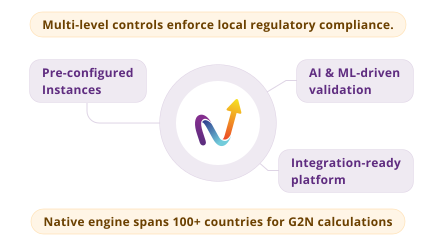
Mercans provides global payroll services in India to support businesses with country-specific payroll operations. Its global payroll solutions help organisations manage payroll administration and statutory requirements across international workforces.

By combining local payroll knowledge with technology-enabled processes, Mercans supports businesses seeking greater consistency, visibility and control over payroll operations.

Organisations can also explore Mercans Global Payroll solutions to learn more about managing payroll across multiple jurisdictions.

Frequently Asked Questions About India’s EPFO Wage Ceiling Increase

1. What is the new EPFO wage ceiling in India?

The EPFO wage ceiling for mandatory coverage has increased from ₹15,000 to ₹25,000 per month. The revised threshold applies from 17 September 2026, subject to the applicable statutory provisions and membership conditions.

2. When did the revised EPFO wage ceiling become effective?

The revised wage ceiling became effective on 17 September 2026, following the Government of India’s Gazette Notification S.O. 5109(E).

3. Who is affected by the increase in the EPFO wage ceiling?

The change primarily affects employees whose relevant monthly wages are above ₹15,000 and up to ₹25,000 who were previously outside mandatory EPF coverage. Their eligibility depends on the applicable membership rules and statutory exclusions.

4. What is the EPF contribution rate for employers and employees?

Under the standard contribution framework, both the employer and employee generally contribute 12% of applicable wages, subject to statutory provisions and scheme rules. The employer’s contribution is allocated between EPF and EPS for eligible members.

5. Does the revised wage ceiling affect existing EPF members earning more than ₹25,000?

Existing EPF membership generally continues even when an employee’s wages increase beyond the statutory wage ceiling. The revised threshold primarily affects the determination of mandatory coverage for employees who are not already members.

6. What should employers do to comply with the revised EPFO wage ceiling?

Employers should review employee eligibility, update payroll calculations, verify EPF and EPS contribution allocations, follow the EPFO’s September 2026 transition guidance, update ECR reporting and maintain accurate supporting records.

Conclusion

The increase in India’s EPFO wage ceiling from ₹15,000 to ₹25,000 per month represents an important change in the country’s statutory social security framework.

For employers, the revision requires more than updating a figure in payroll software. It involves reviewing employee eligibility, reassessing contribution costs, communicating salary deductions and ensuring accurate statutory reporting.

Businesses that review their payroll processes and employee records promptly will be better positioned to manage the revised requirements and maintain compliance with India’s evolving provident fund framework.