OUR PRODUCTS

HR Blizz
Self-service cloud-based proprietary SaaS suite to automate global payroll processes.

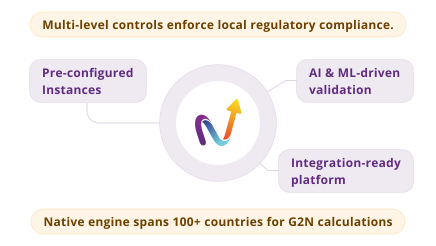
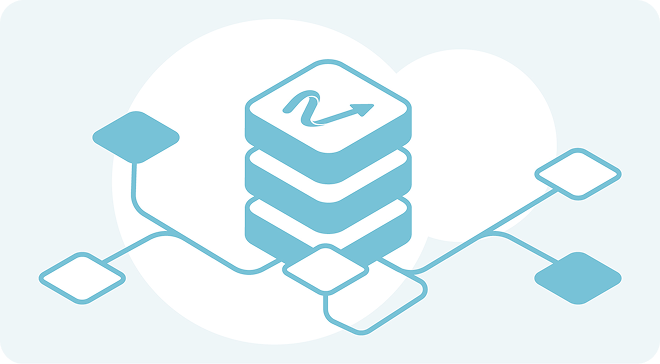
G2N
World's only API-first global payroll tech stack.
HR BLIZZ

HR Blizz is an integrated global payroll and HRM SaaS system designed for organizations of all sizes and industries.
 Explore Product


SOLUTIONS

Payroll
Pick your perfect payroll fit, we've got options

Workforce Management
Hire, manage, and pay your global teams with full compliance.

Global HR Services
Comprehensive solutions to support every stage of the employee lifecycle worldwide.




WHY US

Compliance
Certified global standards ensuring legal and data protection across markets.

Analyst Reports
Read what industry analysts are saying about Mercans.

Our Global Presence
Full-time Mercans teams in every country, combining local expertise with global HR and payroll excellence.

Integrate HCM
Connect your HCM, HRM, ERP, or finance systems with Mercans via bi-directional, pre-built connectors
COMPLIANCE
Privacy @ Mercans
GDPR-aligned with Binding Corporate Rules, ISO 27701 certified, and built on principles of anonymization, transparency, and accountability.

Data Security
SOC1/2 and ISO 27017/27018 certified, with encrypted, access-controlled systems, real-time mirrored recovery, and strict physical and application safeguards.
 FEATURED
Mercans Secures Approval For Its Binding Corporate Rules (BCR), A Top-Tier Global Data Privacy Framework.
Check out








TECHNOLOGY

Core Technology
A proprietary, API-driven platform that delivers secure, scalable global payroll and HR solutions.

System Architecture NEW
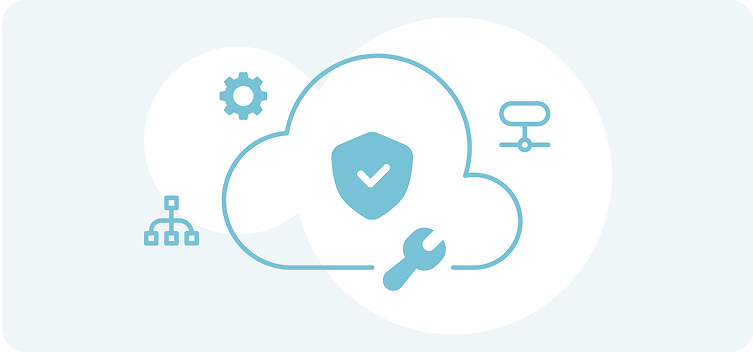
Stateless, multi-tenant design with encryption, role-based access, disaster recovery, and ISO/SOC-certified security.

AI-Powered Payroll NEW
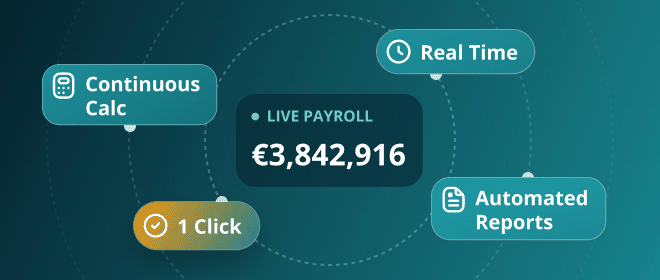
Real-time, AI & ML driven payroll processing with anomaly detection, compliance automation, and actionable insights.

RESOURCES

Company Updates
The latest insights and announcements from Mercans.

Statutory Alerts
Information on legislative changes that impact global payroll.

Blogs & Guides
Expert insights and practical resources on global HR, payroll, and compliance.

Success Stories
Proven results and client journeys powered by Mercans solutions.

More Topics
Extra resources to support every aspect of global WFM.
NEWS & UPDATES
















COUNTRY INTEL

Top Countries
Where we serve clients again and again.

Featured Countries
Where will your business go next?


PARTNERS

Technology Partners
Connecting your HCM system to our payroll solutions, while retaining your existing infrastructure.

Service Delivery Partners
Global payroll delivery powered by Mercans' multi-country payroll engine.



OUR COMPANY

Who We Are
Overview of Mercans and our industry recognition.

Awards & Recognition
Technology, compliance, and data protection.

Culture & People
Life inside Mercans and career opportunities.
OVERVIEW

About Mercans Global Leader in Payroll Technology
Mercans is a global leader in payroll technology and Employer of Record services, delivering proprietary HR and payroll solutions across 160 countries with unmatched SaaS infrastructure, local expertise, and an unwavering focus on security and compliance.
Get More Info
FEATURED
20 years of customer-focused innovation
Driving innovation in global payroll SaaS, outsourcing, and EOR with secure, scalable, API-driven platforms and in-country delivery teams.