Employer of Record

Employer of Record (EOR) Poland

Hire compliantly, pay accurately, expand confidently.

Global Payroll Team
Written by Global Payroll Team
Last updated April 24, 2026
Expert Reviewed

In Poland, the concept of a legal employer is embodied by the role of an Employer of Record (EOR). Often referred to as a Global Professional Employer Organization (Global PEO), this role is essential for managing a variety of employment-related tasks. It involves ensuring full compliance with Polish labor regulations, overseeing payroll, handling tax responsibilities, administering mandatory benefits, and drafting employment contracts.

The duties of the Employer of Record (EOR) in Poland include:
  • Ensuring compliance with Polish employment laws.
  • Managing payroll processes according to local standards.
  • Handling the filing of employment taxes and other required documentation.
  • Providing employees with accurate payslips.
  • Ensuring the timely payment of employees’ salaries.

Simplify your global expansion with our Global PEO services in Poland, allowing you to operate without the need to establish a separate entity. As your Employer of Record (EOR) in Poland, we guarantee compliance with local laws, establish a legal presence, and protect your Intellectual Property, enabling your business to focus on core activities. Enjoy an efficient global mobility process, including support with work visas, while fostering a diverse and talented international team.

Things you need to know before hiring in Poland

Employment Contracts in Poland

In Poland, an employment relationship is defined by the exchange of work for remuneration under an employer’s direction. This relationship mandates that the employee agrees to perform specific work under conditions established by the employer, such as location, work hours, and duties, while the employer ensures payment for the work done. This employment arrangement falls under Polish labor law, regardless of the formal title of the employment agreement.

Polish labor law categorizes employment contracts into three main types:

  • Trial Period Contracts
  • Fixed-Term Contracts
  • Indefinite-Term Contracts

Basic Requirements for Employment Contracts

Each contract must outline key information including:

  • Names of both parties (employee and employer),
  • Contract type,
  • Date of conclusion, and
  • Detailed terms of work and remuneration, covering the role, workplace location, payment structure, working hours, and the start date.

Contracts must be written, and if this requirement is initially unmet, the employer must confirm the contract terms in writing by the employee’s first working day. Furthermore, employers must provide a detailed summary of working conditions and payment terms within seven days of the employee starting work, either in print or electronically.

Any modifications to the employment contract also require written documentation. Employers may hire part-time workers, but these roles must offer terms no less favorable than those given to comparable full-time employees.

Fixed-Term and Indefinite-Term Contracts

Indefinite-term contracts are the most common type of employment agreement in Poland, though fixed-term contracts are also widely used. A fixed-term contract specifies an employment duration, either through an end date or an event marking the contract’s conclusion.

Key rules for fixed-term contracts include:

  • Employment duration under fixed-term contracts with the same employer must not exceed 33 months,
  • A maximum of three fixed-term contracts is permitted within this timeframe,
  • Exceeding either the 33-month limit or three contracts results in an indefinite-term agreement.

There are four situations where fixed-term contracts may exceed the general restrictions:

  • Replacing an employee who is temporarily absent,
  • Performing seasonal or occasional work,
  • Work tied to a specific term of office, or
  • When there are objective reasons directly related to the employer’s needs, with notification to the labor inspectorate.

Trial Period Contracts

Trial period contracts allow both the employer and employee to evaluate the suitability of the employment relationship. The trial period duration varies based on the type of anticipated contract:

  • Up to 1 month if the intended fixed-term contract is less than 6 months,
  • Up to 2 months for a fixed-term contract of at least 6 months and less than 12 months,
  • Up to 3 months for fixed-term contracts of 12 months or more, or for indefinite-term contracts.

The trial period may be extended by the time of leave or other justified absences, and it may also be extended once, by no more than 1 month, if justified by the nature of the work. Trial contracts cannot exceed 3 months excluding the statutory extension rules. After a trial period, re-employment on a trial basis is generally not allowed unless the employee will take on a different role.

Working Hours

The standard working hours in Poland are limited to eight hours per day and forty hours per week, averaged over a typical five-day workweek within an approved settlement period of up to four months. In certain cases specified by the Labour Code, this settlement period may extend up to twelve months, allowing for greater flexibility in managing working hours.

Employers may also adjust the daily working hours or settlement period as outlined by law. However, total weekly working hours, including any overtime, must not exceed an average of forty-eight hours within the applicable settlement period.

Overtime

Overtime work in Poland is permissible only under specific circumstances: either to conduct a rescue operation to protect human life, health, property, or the environment, or to resolve an unexpected breakdown. Additionally, an employer may authorize overtime if there are particular, exceptional needs within the organization. It is the employer’s responsibility to determine if these special needs justify the requirement for additional hours.

Given the demanding nature and potential risks of overtime, the Labour Code imposes strict limits. Overtime hours are capped specifically for work undertaken due to the employer’s special needs, and employers must provide employees with at least an uninterrupted eleven-hour rest period within each 24-hour period. In addition, weekly working hours, including overtime, must not exceed an average of forty-eight hours within the designated settlement period.

For annual limits, the Labour Code specifies that overtime should not exceed 150 hours per employee in a calendar year. However, in cases where there is no collective labor agreement or established work rules, employers may set a higher annual overtime limit, as long as it respects the overall limit of forty-eight hours per week on average across the settlement period.

13th Month Salary

There is no general legal requirement for private sector employers in Poland to pay a 13th month salary. However, certain public sector employees may be entitled to an additional annual remuneration under separate regulations.

Termination and Severance Pay

Grounds for Termination

The Labour Code in Poland strictly regulates how an employment contract can be terminated, with only the methods outlined in the Code being permissible. This means that parties to a labor contract or collective agreement cannot invent or combine additional grounds for ending employment. The recognized methods for termination include:

  • Mutual Agreement – Both employer and employee agree to end the contract.
  • Termination with Notice – Either party may unilaterally end the contract, observing the required notice period.
  • Termination Without Notice – Either party may end the contract immediately, without notice, if justified.
  • Expiration of Contract Term – When the specified contract period ends.

The Labour Code specifies that, when giving notice for a fixed-term or indefinite contract, employers must clearly state the reason for termination in writing. In cases of immediate dismissal without notice, both parties must provide a justifiable cause, as outlined by the Code.

Collective Dismissals

Collective dismissals apply when an employer with at least 20 employees needs to terminate multiple employment relationships for reasons not related to individual employee performance. These dismissals must occur within a 30-day period and meet one of the following thresholds:

  • 10 employees if the company has fewer than 100 employees.
  • 10% of employees if the company has 100–299 employees.
  • 30 employees if the company has 300 or more employees.

Before proceeding with collective dismissals, employers must consult with trade unions or employee representatives to establish a settlement agreement defining how the dismissals will be managed.

Individual Dismissals

The regulations governing collective dismissals also apply to individual dismissals for non-employee-related reasons, provided the employer has at least 20 employees. Individual dismissals involve terminating employment due to factors unrelated to the employee, and, unlike collective dismissals, do not require consultation with employee representatives.

Severance Pay Requirements

Employees dismissed as part of a collective dismissal or individual dismissal for reasons unrelated to their performance are entitled to severance pay if the employer has at least 20 employees. The statutory severance amount depends on the employee’s length of service with the employer:

  • 1 month’s remuneration if the employee has been employed for less than 2 years,
  • 2 months’ remuneration if the employee has been employed for 2 to 8 years,
  • 3 months’ remuneration if the employee has been employed for more than 8 years.

The maximum amount of severance pay is capped at 15 times the minimum wage applicable on the termination date. In 2026, this cap is PLN 72,090 gross.

Special groups, including government agency representatives, teachers, and home-based workers, are eligible for specific severance payments upon dismissal. Additionally, severance pay is mandated for employees retiring or becoming disabled, and in the event of an employee’s death, a death benefit is provided to their beneficiaries.

These regulations ensure that severance provisions meet the minimum protections afforded by Polish labor law, though they can be enhanced through collective or individual agreements.

Notice Period

In Poland, the notice period marks the time between the declaration of intent to end the employment and the official date of termination. The duration varies based on the type of contract, the employee’s length of service, and any mutual or employer-specific conditions for reducing it.

Notice Period for Fixed-Term and Indefinite Contracts

For contracts of a fixed term or indefinite duration, the notice period depends on the employee’s total tenure with the employer:

  • 2 weeks if the employment is less than 6 months.
  • 1 month if employment has lasted at least 6 months.
  • 3 months if employment has been 3 years or more.

Notice Period for Trial Period Contracts

The notice period for trial contracts is determined by the duration of the trial:

  • 3 working days if the trial period is up to 2 weeks.
  • 1 week if the trial period is over 2 weeks but under 3 months.
  • 2 weeks if the trial period lasts the full 3 months.

Calculating Notice Periods

  • Notice periods measured in weeks always end on a Saturday, covering either a full one-week or two-week span.
  • Notice periods counted in months conclude on the last day of the month. For example, if a one-month notice is given on July 22, it will end on August 31. Similarly, a three-month notice starting July 22 would end on October 31.

Adjusting the Notice Period

Employers can unilaterally reduce the notice period to a minimum of 1 month for a three-month notice period in cases of:

  • Bankruptcy or liquidation of the employer.
  • Other circumstances unrelated to the employee.

If the notice period is shortened unilaterally, the employer must pay compensation to cover the remainder of the original notice duration.

Mutual Agreement to Shorten Notice Period

The employer and employee may also agree to reduce the notice period after termination notice has been given. This adjustment is considered a termination initiated by the employer, and no additional compensation is required in this case.

Company Seniority and Notice Periods

The employee’s total time with the employer, including previous employment at transferred establishments or multiple contracts with breaks, is considered in calculating seniority.

Notice Periods and Immediate Termination

A contract terminated with notice will officially end on the last day of the notice period. In the case of immediate dismissal without notice, either party may issue a written statement terminating the contract right away. The Labour Code permits immediate termination for serious reasons, including:

  • Severe Misconduct – The employee has committed a serious breach of duties.
  • Criminal Conduct – The employee committed a crime during employment that disrupts the employment relationship.
  • Loss of Required Licenses – The employee no longer holds the credentials necessary for their role.

Additionally, employers may terminate contracts without notice if an employee is absent without valid excuse for an extended period.

Employees vs Independent Contractors

In Poland, work relationships are governed either by employment contracts regulated under the Labour Code or civil contracts regulated under the Civil Code, with each framework entailing different rights, obligations, and protections. The legal distinctions between an employee and an independent contractor have significant implications, especially regarding job security, social benefits, and tax responsibilities. Polish law establishes clear factors for determining an employment relationship, with employee contracts offering greater protections under the Labour Code and independent contractor agreements allowing for more flexibility but less security under the Civil Code.

Comparison Table: Key Differences Between Employees and Independent Contractors in Poland

CriteriaEmployees (employment contract)Independent contractors (civil law contracts)
Regulating codeLabour CodeCivil Code
Contract typesTrial, fixed-term, indefiniteContract of mandate (umowa zlecenie), contract for a specific task (umowa o dzieło)
Control & subordinationHigh degree of employer direction and subordinationMore autonomy; less day-to-day subordination
Personal performanceUsually performed personallyMay delegate in some cases, depending on the contract
Work consistencyOngoing employment relationshipOften task-based, project-based, or service-based
Work location & hoursUsually set by employerUsually more flexible, unless fixed by contract
RemunerationWage/salary with Labour Code protectionsContractually agreed remuneration
Risk bearingEmployer bears business/organizational riskContractor generally bears own business risk
TerminationLabour Code rules and notice periods applyGoverned mainly by contract terms and Civil Code rules
Tax & social securityEmployer withholds PIT and remits ZUS contributionsContractor usually handles own PIT; ZUS depends on the type of civil-law contract
Key protectionsPaid leave, sick leave, working-time rules, dismissal protectionsFewer protections; mainly those in the contract and mandatory civil-law rules
Typical use casesStable, ongoing work under employer supervisionFreelance, project, consulting, or specific-service work

Legal and Practical Aspects of Civil Law Contracts in Poland

Insurance Obligations under Civil Law Contracts

Individuals entering into a contract of mandate are subject to several compulsory insurance obligations. These include retirement and disability insurance, as well as health insurance. For contractors working at the employer’s premises, accident insurance is also mandatory, while sickness insurance remains voluntary. Importantly, contractors who have already obtained retirement or disability pensions are still required to participate in compulsory social insurance and health insurance schemes.

For students under the age of 26, however, the compulsory social and health insurance requirements are generally waived when they work under a contract of mandate. In contrast, contracts for specific tasks do not independently trigger social insurance obligations unless both parties are also in an employment relationship. Where only a contract for a specific task exists, the contractor is not required to participate in social insurance schemes.

Employers must withhold and remit income tax on civil law contracts, either as an advance on income tax or as a flat rate, based on the contractor’s earnings, with tax matters governed by income tax law.

Benefit Entitlements under Civil Law Contracts

Benefits entitlements are generally reserved for employees under employment contracts, governed by labor laws including the Labour Code and other labor-related regulations. Employees have rights to minimum wage, working time standards, overtime limitations, leave entitlements, and other benefits as stipulated by labor law. These benefits do not automatically apply to individuals working under civil law contracts, such as contracts of mandate or specific-task contracts.

However, the parties to a civil law contract can agree to adopt labor law benefits within the contract, although this arrangement does not establish liability for labor law breaches as it would under employment law. Instead, any breach is governed by civil law principles, allowing the parties to pursue damages under the Civil Code for contract breaches.

Given the flexibility of civil contracts, it is uncommon for parties to voluntarily adopt labor law regulations, as these contracts are often chosen to avoid the obligations imposed by the Labour Code.

Termination Protections in Civil Law Contracts vs. Employment Contracts

Termination protections differ significantly between civil law and employment contracts. The Labour Code offers robust protections for employees in employment relationships, with specific rules governing notice periods, justified reasons for dismissal, and safeguards for vulnerable employees such as those close to retirement, pregnant women, and union members. Employment contracts for indefinite periods require employers to demonstrate a valid reason for termination, often guided by case law.

In contrast, termination of civil law contracts, such as a contract of mandate or a contract for a specific task, is governed by the Civil Code and offers minimal protection to contractors. These contracts can typically be terminated at any time unless specific notice terms are included in the contract. If a civil contract is terminated without a valid reason, the mandator may be liable for damages rather than the more extensive reinstatement or compensation options available under labor law.

Local Limitations on the Use of Independent Contractors

Polish law allows considerable freedom in choosing between employment and civil law contracts, without imposing restrictions on the type of work that must be performed under an employment contract. However, substituting an employment contract with a civil law contract, while retaining the working conditions outlined in the Labour Code, is prohibited. If a worker meets specific conditions, such as working under the employer’s supervision and at a time and place specified by the employer, an employment relationship will be presumed, regardless of how the contract is titled. Employers who inappropriately classify an employment relationship as a civil contract may be fined, with penalties ranging from PLN 1,000 to 30,000.

Employment Flexibility: Leased and Seconded Employees

Flexibility in the employment relationship is increasingly important, especially as employers seek to respond rapidly to market demands. Polish labor law allows for secondment, permitting an employer to temporarily transfer an employee to a different position or location under specific conditions. This arrangement can last up to three months in a given calendar year and cannot result in reduced remuneration for the employee.

Temporary employment is another flexible option, governed by the Temporary Employees Employment Law. Temporary employees are formally employed by a temporary work agency rather than the employer at whose workplace they perform their duties. The user employer must adhere to safety and non-discrimination standards but has limited responsibilities otherwise. Termination of the temporary employee’s contract is managed by the agency, not the user employer.

Different Categories of Civil Law Contracts

  • Contract of Mandate: This contract obligates the contractor to perform specific actions on behalf of the mandator, rather than to achieve a particular result. Generally, contractors are not judged on the outcome of their actions but rather on the manner and diligence with which they fulfill their duties. Contracts of mandate generally require contributions to the social insurance system, though certain exemptions apply, for example, for students or those in concurrent employment.
  • Contract for a Specific Task: Unlike the contract of mandate, this contract is focused on achieving a specific result, which can be either material or immaterial. The ordering party must pay the contractor upon completion of the task, with the remuneration determined either by a specified amount or based on a calculation agreed upon by the parties. The contract for a specific task is evaluated based on the final outcome, not the contractor’s efforts.

Social Security in Poland

In Poland, social security contributions cover five main types of insurance: pension, disability, accident, sickness, and the Labour Fund. The system primarily applies to economically active individuals, such as employees and self-employed people, with certain contributions required by law and others being voluntary.

Contributions by Employers and Employees

Both employers and employees are obligated to contribute to Poland’s social security system. Employers not only contribute their own share but also deduct and remit the employee’s portion to the Social Security Authority (ZUS). For employees, the main statutory rates are:

  • Old-age pension insurance: 19.52% total, split equally between employer and employee at 9.76% each.
  • Disability insurance: 8.00% total, split 6.50% employer and 1.50% employee.
  • Sickness insurance: 2.45%, financed by the employee.
  • Accident insurance: employer-financed, with the rate depending on the employer’s risk category.
  • Labour Fund and related employer funds: generally employer-financed where applicable.

Retirement and disability contribution bases are capped annually. For 2026, the annual cap is PLN 282,600.

Self-Employed Contributions

Self-employed individuals typically pay contributions based on statutory bases linked to the forecast average monthly wage, unless they qualify for reliefs or income-based regimes. New business owners may benefit from the start-up relief and then reduced contributions for a limited period, subject to the statutory conditions.

Here are the main types of contributions in Poland:

  • Pension Insurance – Provides benefits for retirement.
  • Disability Insurance – Provides support in case of disability preventing the individual from working.
  • Accident Insurance – Covers accidents that happen while at work.
  • Labour Fund – Supports the unemployed and funds other social benefits.
  • Sickness Insurance – Provides income support for workers who are temporarily unable to work due to illness.

Contribution Rates (as a percentage of gross salary)

Type of contributionEmployer’s contributionEmployee’s contribution
Pension insurance9.76%9.76%
Disability insurance6.50%1.50%
Accident insurance0.67%–3.33%0%
Labour Fund + Solidarity Fund2.45%0%
Guaranteed Employee Benefits Fund (FGŚP)0.10%0%
Sickness insurance0%2.45%
Total19.48%–22.14%13.71%

Retirement and disability contribution bases are capped annually. For 2026, the cap is PLN 282,600.

For self-employed individuals, the contributions are based on statutory rules tied to the forecast average monthly wage, with special treatment available for eligible entrepreneurs under start-up relief, preferential ZUS, or income-based relief regimes where conditions are met.

Health Insurance Contributions

For employees, health insurance contributions are set at 9% of their income, calculated after deducting the employee-financed social security contributions. Entrepreneurs pay health insurance contributions based on their tax scheme, with minimum monthly amounts and separate calculation methods applying under the scale tax, flat tax, or lump-sum regimes.

Payroll in Poland

Minimum Wage

As of 2026, the minimum wage in Poland is PLN 4,806 gross per month, and the minimum hourly rate for certain civil law contracts is PLN 31.40 gross.

Payroll Cycle

In Poland, employees are paid on a monthly basis, with wages due at least once per month and, if paid after the month worked, no later than the 10th day of the following month. The fiscal year in Poland spans from January 1st to December 31st.

Mercans’ payroll capabilities

  • Payroll Cycle: Experience the efficiency of Mercans’ comprehensive payroll cycle management in Poland. Our services ensure timely and accurate payments to both employees and contractors, all in the local currency (PLN). With Mercans, you can trust us to streamline your payroll processes, making the entire cycle a seamless and localized experience.
  • Payroll Setup, Payroll Processing, and Payroll Administration: Mercans offers end-to-end payroll solutions tailored to the Polish market. From meticulous payroll setup to precise processing and ongoing administration, we manage every step with a commitment to accuracy and compliance. With Mercans, your payroll is handled with expertise, so you can focus on what matters most: your core business operations.
  • Statutory Filings and Payments: Navigating Poland’s regulatory landscape is effortless with Mercans. Our dedicated team takes care of all statutory filings and payments, ensuring your business remains compliant with Polish legal requirements. Rely on Mercans for accurate and timely submissions, offering you peace of mind in meeting your statutory obligations.

Personal Income Tax in Poland

Poland’s personal income tax system differentiates between residents and non-residents, with distinct rules for taxation based on residency status.

Taxation of Business Income

Individuals who run businesses as sole traders or as partners in partnerships can opt for a different tax structure rather than the general PIT scale. They may choose from:

  • A flat 19% income tax rate,
  • A lump-sum tax,
  • The now-closed “tax card” regime, which remains available only to taxpayers who preserved the right to use it under transitional rules.

Special Tax Rules for Non-Residents

Non-residents are taxed on Polish-sourced income according to the nature of the income and the applicable statutory or treaty rules. Certain categories of Polish-source income may be subject to withholding tax at 20%, unless a Double Tax Treaty or specific exemption applies. This can include income from:

  • Intellectual property rights, such as copyrights, patents, trademarks, and technology transfer.
  • Leasing of industrial, commercial, or scientific equipment.
  • Income from artistic, scientific, and sporting activities, as well as certain fees for services rendered to national or local authorities.
  • Other specific types of income, such as remuneration for positions in boards of directors or supervisory boards of companies.

Income may be taxed differently if a Double Tax Treaty exists between Poland and the non-resident’s country of residence.

Personal Income Tax Rates

Polish tax residents are taxed on their worldwide income. The PIT rates for Polish residents are progressive:

  • Up to PLN 120,000: Taxed at 12%, with a tax-free allowance of PLN 30,000. The annual tax-reducing amount is PLN 3,600.
  • Exceeding PLN 120,000: Taxed at a rate of 32% on the amount above PLN 120,000.

Capital Gains Taxation

Capital gains, including income from dividends and interest, are generally taxed at a flat rate of 19%. There is no tax-free allowance for this type of income.

Private Rental Income

Private rental income is generally taxed under a lump-sum scheme:

  • 8.5% for revenues up to PLN 100,000 per year,
  • 12.5% on the surplus above PLN 100,000.

Taxpayers cannot deduct costs related to the rental income, such as maintenance or utilities. However, if the rental activity is considered a business, general tax rules or flat-tax options can be applied. Additionally, spouses may apply the higher 12.5% rate to the portion of total rental income exceeding PLN 200,000 where the statutory conditions are met.

Poland Employee Hiring Cost

When hiring an employee in Poland, the employer’s total cost goes beyond just the gross salary. For example, if an employee has a gross annual salary of PLN 100,000, the employer must account for additional statutory employer-side costs such as pension, disability, accident insurance, the Labour Fund, and the Guaranteed Employee Benefits Fund where applicable. Health insurance is financed by the employee, not as a separate employer-side payroll cost. Depending on the applicable accident insurance rate and whether employer funds apply, employer-only statutory on-costs are typically around 19.48% to 22.14% of gross salary.

This means that, for a gross annual salary of PLN 100,000, the total annual employer cost will commonly fall in the range of approximately PLN 119,480 to PLN 122,140, before any additional voluntary benefits or company-specific costs.

This breakdown clearly demonstrates how the total cost of employment consists not only of the agreed-upon salary but also of various employer obligations that contribute to the overall expense.

Employer’s Cost Breakdown:

DescriptionAmount (PLN)
Gross Annual Salary100,000.00
Employer’s Annual Costs19,480.00 – 22,140.00
Total Annual Employer Cost119,480.00 – 122,140.00

Employee Benefits in Poland

In Poland, employee benefits are structured through the country’s social security system, providing comprehensive support across multiple areas. Here’s a breakdown of the key benefits:

Social Security Contributions:

  • Employees are required to contribute to mandatory social insurance, which covers:
    • Pension insurance
    • Disability insurance
    • Health insurance
    • Accident insurance (based on occupational risks)
  • Contributions are calculated as a percentage of income and are shared between the employer and employee, with the employer responsible for calculating and transferring the contributions to the Social Insurance Institution.

Healthcare and Insurance Benefits:

Employees are entitled to:

  • Sickness benefits
  • Maternity benefits
  • Attendance allowances
  • Compensation for work-related accidents
  • Public healthcare services through the national health insurance system.

Required Leave:

  • Annual Leave:
    • Employees are entitled to 20 or 26 days of paid holiday leave, depending on years of service.
    • Leave is granted on working days and can be split into parts, with one part needing to be at least 14 consecutive calendar days.
    • Employees are entitled to time off on Sundays and public holidays. As of 2026, Poland has 14 public holidays, including Christmas Eve on 24 December.
  • Maternity Leave:
    • 20 weeks of maternity leave after the birth of one child, with additional leave if multiple children are born.
    • 6 weeks of maternity leave can be taken before the birth.
    • 41 weeks of parental leave, with 9 weeks reserved for each parent.
    • 100% of salary is paid during maternity leave, and parental leave benefits depend on the leave option chosen under the statutory rules.
  • Paternity Leave:
    • Fathers are entitled to 2 weeks of paternity leave.
  • Sick Leave:
    • Employees can receive 80% of their salary for up to 33 days of illness per year, or 14 days for employees over 50, after which sickness allowance may apply under the general rules.
    • Pregnant employees receive 100% of salary during sickness leave.
  • Disability Leave:
    • Employees with severe or moderate disabilities are entitled to an additional 10 days of holiday leave annually.

Special Leave:

  • Family Leave:
    • 2 days leave for events such as weddings, childbirth, or the death of a close family member (spouse, child, parent).
    • 1 day leave for events such as the death of a sibling, in-laws, or other family members under the employee’s care.
  • Other Special Leaves:
    • Leave for activities like blood or plasma donation, carer’s leave, or for legal obligations such as court appearances.

Pensions:

  • First Pillar (Mandatory): Managed by the Social Insurance Institution, with funds recorded in the public system.
  • Second Pillar (Optional participation model): Operates through Open Pension Funds for eligible participants under the statutory framework.
  • Third Pillar (Voluntary): Includes Employee Pension Schemes and individual retirement savings arrangements, allowing employees to save more for retirement.
  • The retirement age is 60 for women and 65 for men, though some employees may qualify for early retirement under special conditions.

This system ensures that employees in Poland are provided with robust support for health, family, disability, and retirement, offering a secure safety net for various life situations.

Work Permit in Poland

If your company is looking to expand into Poland, securing the right talent is key to success. However, the process of obtaining work permits and visas for international employees can be complex. Navigating the requirements for securing the necessary permits is essential for smooth expansion.

Work Visas in Poland

As a member of the European Union, Poland allows citizens from other EU and EEA countries, as well as Switzerland, to work without requiring a visa or work permit. However, most individuals from outside these regions will need a valid basis both to stay and to work legally in Poland.

Here are the main types of work authorization commonly used for non-EU, non-EEA, and non-Swiss citizens:

  • Work Permit Type A: Required for non-exempt foreigners employed by an employer in Poland.
  • Work Permit Type C or E: Issued in specific cross-border posting or intracompany assignment situations.
  • National Visa D: Commonly used for stays in Poland exceeding 90 days, subject to the applicable consular and immigration rules.
  • Temporary Residence and Work Permit: A combined authorization often used for longer-term employment in Poland.

For many non-EU workers seeking long-term residence status in Poland, Polish language proficiency may become relevant at later residence stages depending on the permit category and long-term status being sought.

Work Visa Requirements

Employers applying for a work permit on behalf of their employees must provide several documents, including:

  • A completed application form
  • Evidence of payment for application fees
  • Confirmation of the legal status of the employer
  • Employer registration and business activity documents
  • Passport copies of the employee and supporting identity documents
  • Draft or signed employment documentation compliant with Polish law
  • Documents required for the specific permit category and regional office practice

Application Process

The work authorization process involves several key steps:

  • Choosing the Correct Route: The employer and employee must determine whether the case requires a work permit, a declaration procedure, a temporary residence and work permit, or whether a statutory exemption applies.
  • Filing the Application: Since the foreign-worker rules changed on 1 June 2025, employers generally submit applications and related notifications under the new legal framework. The employer must ensure that the offered terms are compliant, including remuneration that is not lower than that of employees performing comparable work or holding comparable positions.
  • Issuance and Notification Requirements: The competent authority processes the application and, if approved, issues the relevant authorization. Employers must also comply with post-approval obligations, including required notifications and document retention rules.

Key Considerations

Since the new foreign-worker rules took effect on 1 June 2025, the labor market test is no longer generally required for new applications under the updated framework. The exact process now depends more heavily on the permit type, the employee’s nationality, and whether the case falls under a work permit, declaration, or combined residence-and-work route.

It is also important for employees to understand that Polish work authorization is still linked to the legal basis under which they are employed or posted. Changes in employer, status, or work arrangement may trigger fresh notification or permit requirements depending on the route used.

EOR Solutions in Poland

  • Employer of Record (EOR) for Prospective Employees: Mercans provides comprehensive Employer of Record (EOR) services for businesses in Poland who have already selected their ideal candidates. We manage all aspects of the employee lifecycle, ensuring full compliance with Polish labor laws and regulations, so you can focus on growing your business.
  • EOR + Recruitment: For companies looking to expand their teams, our combined EOR and recruitment services offer an integrated solution. We leverage our extensive network and recruitment expertise to help you identify, hire, and retain top talent, making your entry into the Polish market seamless.
  • Visa Sponsorship and Global Mobility: Our visa sponsorship and global mobility services simplify the process of relocating international employees to Poland. We ensure compliance with Polish immigration and employment laws, helping you smoothly manage expatriate employment and relocation.
  • AOR for Contractor Payments: If you’re facing challenges with contractor payments, our Assistance on Record (AOR) services are here to help. We manage the complexities of contractor payments in Poland, ensuring accuracy and adherence to local regulations.
  • Converting Freelancers to Employees: Mercans also supports the transition from freelance contractors to full-time employees in Poland. We facilitate smooth conversions while ensuring compliance with all legal requirements, providing peace of mind during the process.
  • HCM Integration: Enhance your HR operations in Poland by integrating Mercans’ EOR services with your Human Capital Management (HCM) system. Our solution enables real-time data exchange, streamlines compliance, and improves cost-efficiency, giving you a unified approach to workforce management and payroll.

Best Employer of Record Poland

  • Compliant with Polish Labor Regulations: Mercans ensures full compliance with all regulations set by the relevant Polish labor, tax, social security, and immigration authorities. We strictly adhere to local employment laws and social security requirements, giving you confidence that your operations are always in line with Polish regulations.
  • Independent Entity: As an independent entity, Mercans operates autonomously, delivering reliable and tailored employment services to meet your specific business needs in Poland. Our independent status ensures we provide objective and flexible solutions, tailored to your company’s unique requirements.
  • Handles Various Employment Types: Whether you’re employing full-time staff, freelancers, contractors, or expats, Mercans has the expertise to manage all types of employment in Poland. We offer flexible, customizable solutions to suit different business models and employee classifications.
  • Designed for Enterprise Businesses: Mercans is equipped to support large enterprises and complex organizational structures. We provide scalable, sophisticated services that meet the needs of multinational corporations, ensuring efficiency and compliance in a variety of employment contexts.
  • Multi-Currency Payroll Management: We support businesses with global operations by managing payroll in multiple currencies. This enables smooth and efficient financial operations across various regions, simplifying payroll management for international and multinational companies.
  • Global Reach with Multi-Country Payroll Expertise: With a vast global network, Mercans is proficient in handling payroll across multiple countries. Our extensive experience ensures smooth operations and adherence to local payroll requirements, regardless of where your employees are based.
  • Data Protection and Security Compliant: Mercans takes data security seriously. We are fully GDPR compliant and align with recognized security and control standards. Our commitment to data protection ensures that your employee data is handled securely and with the highest level of confidentiality.
  • ISO 20000 & ISO 27001 Certified: Mercans holds ISO 20000 and ISO 27001 certifications, demonstrating our dedication to high-quality IT service management and information security. These certifications reflect our commitment to maintaining the highest standards in service delivery and data protection.
  • OWASP ASVS 3.0 Compliance: Mercans adheres to OWASP ASVS 3.0 standards, ensuring that our application development and management practices meet robust security protocols. This compliance helps safeguard the security and integrity of all systems we manage.
  • HRBlizz Platform: Mercans HRBlizz is a proprietary global payroll and talent management SaaS suite that streamlines payroll processes and helps ensure compliance with local regulations in Poland. With a network of in-country experts, HRBlizz provides deep knowledge of Polish labor laws and business protocols.
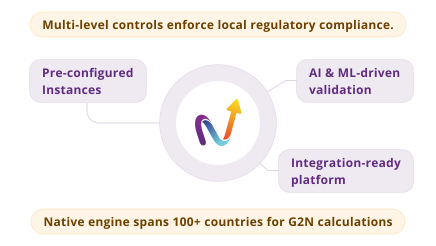
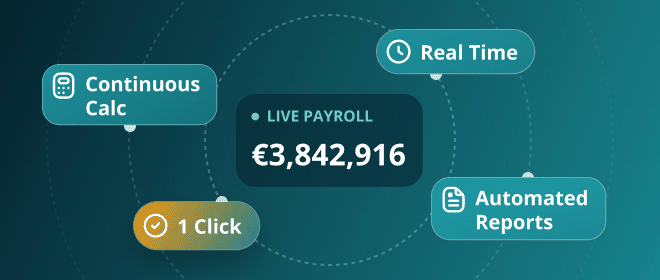
  • G2N Nova Platform: G2N Nova, our advanced global gross-to-net payroll engine, processes payroll in multiple countries, including Poland. Available as a SaaS solution or service delivery platform, it integrates seamlessly with major HCM and workforce management systems, providing a sophisticated solution for multinational payroll management.

Conclusion

In conclusion, Mercans provides exceptional Employer of Record (EOR) solutions in Poland, delivering accuracy, compliance, and efficiency in payroll and workforce management. Our all-encompassing services are designed to simplify your operations, offering a trusted partner to help businesses navigate Poland’s employment, payroll, and immigration requirements. With Mercans, you can confidently manage your global workforce, ensuring a smooth and successful expansion into Poland.

This document was prepared for informational purposes only. As local laws & regulations keeps on changing. Please consult your tax & legal advisors as well.
Contact Sales
Let's get this conversation started. Tell us a bit about your requirement, and we'll get in touch a soon as we can.

    Sample message

    1. We want to expand in $country

    2. We want you to employ 'X' number of employees on our behalf

    3. Contract duration – 3/6/9/12/18/24 months

    4. Number of legal entities (if any exist today)

    5. Employment type: EOR employee or contractor?

    6. Any benefits requirement or “standard statutory only”?

    FAQs

    What is an Employer of Record (EOR) in Poland?

    An Employer of Record in Poland is a professional service provider that legally employs staff on behalf of a foreign company. The EOR manages contracts, payroll, taxes, benefits, and ensures compliance with Polish labor regulations, allowing businesses to hire locally without establishing a Polish entity.

    How can foreign companies hire employees in Poland without establishing a local entity?

    Foreign companies can partner with an EOR, which serves as the official employer while the client company supervises daily work. This enables businesses to operate in Poland without creating a branch or subsidiary.

    What compliance, payroll, and HR services does an EOR in Poland manage?

    An EOR in Poland handles employment contracts, payroll processing, tax withholdings, social security contributions, mandatory benefits, and government filings. They can also assist with work permits and visas for expatriate employees.

    What are the benefits of using EOR services in Poland?

    Using an EOR simplifies market entry, ensures adherence to local labor laws, reduces administrative workload, mitigates legal risks, and accelerates hiring.

    How much does it cost to hire employees through an EOR in Poland?

    Fees typically range from $500 to $2,000 per employee per month depending on services. Companies should consult the EOR provider for detailed pricing.

    Is an EOR the best solution for expanding a business into Poland?

    An EOR is ideal for businesses seeking to expand into Poland without establishing a local entity. It allows companies to focus on core operations while the EOR manages employment-related responsibilities efficiently.

    Ready to hire in Poland?

    No local entity needed. Our experts handle payroll, compliance, and onboarding.

    Talk to an expert
    Proven expertise in global payroll.