Employer of Record

Employer of Record (EOR) in Belgium

Hire compliantly, pay accurately, expand confidently.

Global Payroll Team
Written by Global Payroll Team
Last updated April 24, 2026
Expert Reviewed

An Employer of Record (EOR) serves as the legal employer for workers in Belgium. Also known as a Global Professional Employer Organization (Global PEO), this role involves managing various aspects of employment, including strict adherence to local labor laws and regulations, payroll processing, tax compliance, employee benefits, and the creation of employment contracts.

The Employer of Record (EOR) is responsible for:
  • Ensuring compliance with Belgian employment laws.
  • Managing the local payroll process.
  • Filing employment-related taxes and handling necessary paperwork.
  • Providing employees with payslips.
  • Distributing salary payments to workers.

Streamline your global expansion with our Global PEO services, an effortless solution that eliminates the need for entity setup. Our Employer of Record (EOR) services in Belgium ensure a legal presence, compliance, and protection of intellectual property (IP), allowing your business to focus on what you do best. Facilitate seamless global mobility and work visas while building a diverse and efficient global workforce. Partner with Mercans, your Employer of Record in Belgium, for a compliant and efficient employment experience for your international team.

Things you need to know before hiring in Belgium

Employment Contracts in Belgium

An employment contract serves as a crucial component in the relationship between employees and employers. In Belgium, the language of the employment contract depends on the location of the employer’s operating unit and must generally be Dutch, French, or German, depending on the region.

Types of Employment Contracts by Duration

Open-ended Contract

This contract is established for an indefinite period (permanent contract).

Fixed-term Contract

This agreement specifies a particular date, time frame, or event upon which the parties will be released from their mutual obligations.

Specific-assignment Contract

This contract does not define a duration but specifies the tasks to be completed, such as acting in a specific film or sorting fruit during harvest season.

Replacement Contract

This is established to replace an employee whose contract has been suspended for reasons other than economic downturns, adverse weather, strikes, or lock-outs.

Types of Employment Contracts by Working Time

  • Full-time Employment Contract: This type of contract is for full-time employment, adhering to the normal weekly working hours applicable within the company, commonly 38 hours per week.
  • Part-time Employment Contract: This contract involves voluntarily and regularly working fewer hours than the standard working hours in the company.

Working Hours

Maximum Daily Working Time
In Belgium, the general rule is a maximum of 8 working hours per day. Daily working time may be extended in specific scenarios:

  • Up to 9 hours if the employee does not work more than 5½ days a week.
  • Up to 10 hours in certain situations linked to travel time or specific legal exceptions.
Maximum Weekly Working Time
Generally, weekly working time is organized around:

  • 38 effective hours per week
  • Or 38 hours on average over a defined reference period.

In many situations, actual work schedules may temporarily exceed 38 hours if average limits and the applicable collective bargaining rules are respected.

Probation Period

In Belgium, standard employment contracts do not permit probationary periods, except in a limited number of cases such as student hires, temporary agency work, and certain specific arrangements.

13th Month Salary

In Belgium, a year-end bonus, often called the 13th month, is not a universal statutory entitlement at federal level. However, it is very common and is often required by sectoral collective bargaining agreements, company-level agreements, or established company practice.

Termination, Severance Pay and Notice Period

Ending Employment Contracts in Belgium

When terminating an employment contract in Belgium, specific procedures and guidelines must be followed to ensure compliance with labor laws. This includes understanding the notice period, post-termination restrictions, and the transfer of undertakings.

Notice Period in Belgium

Typically, terminating an employment contract involves serving a notice period or making a payment in lieu of notice. Employers may choose to combine both methods. The length of the notice period is based on the employee’s duration of service and is determined by Belgian statutory notice rules.

  • Less than 3 months: 1 week
  • 3 months to less than 4 months: 3 weeks
  • 4 months to less than 5 months: 4 weeks
  • 5 months to less than 6 months: 5 weeks
  • 6 months to less than 9 months: 6 weeks
  • 9 months to less than 12 months: 7 weeks
  • 12 months to less than 15 months: 8 weeks
  • 15 months to less than 18 months: 9 weeks
  • 18 months to less than 21 months: 10 weeks
  • 21 months to less than 24 months: 11 weeks
  • From 2 years onward: notice continues to increase progressively according to statutory seniority scales.

Employers have the option to provide a payment in lieu of notice where permitted by law.

Severance Pay in Belgium

In Belgium, severance in practice usually takes the form of compensation in lieu of notice when the employer terminates the contract without requiring the employee to serve the full notice period. There is no general standalone statutory severance payment system separate from the notice or indemnity in lieu of notice mechanism.

Overtime Pay

Overtime is generally allowed only under specific conditions and when certain formalities are observed. It should only be performed at the employer’s instruction and is usually compensated at 150% of the normal rate, or 200% for work on Sundays or public holidays, subject to the applicable legal and collective bargaining rules.

Employees vs Independent Contractors

When comparing employees and independent contractors in Belgium, it is important to consider various factors such as employment laws, hiring practices, tax documents, remuneration, rights, benefits, and contracting models.

Employment Laws
In Belgium, employees and independent contractors are subject to different legal frameworks. Employees work under an employment contract and are protected by Belgian labour law. Independent contractors are self-employed and are generally governed by civil, commercial, and social status rules applicable to self-employed persons.
Hiring Practices
Employees are typically recruited through job boards or agencies and require a signed contract before starting work. Independent contractors can be engaged directly or via staffing intermediaries, with agreements emphasizing their autonomy in work organization.
Tax Documents
The tax year runs from January 1 to December 31 in Belgium. Employers must submit tax and payroll-related reporting for employees, while independent contractors manage their own income tax and VAT obligations where applicable.
Payer’s Tax Withholding & Reporting Requirements
Employers withhold wage withholding tax and employee social security contributions from employees. Independent contractors generally manage their own VAT, income tax, and social insurance contributions.
Remuneration
Employees usually receive monthly salary payments, while independent contractors’ payment frequency is determined by agreement, typically invoiced according to agreed commercial terms.
Workers’ Rights
Employees enjoy rights such as paid leave, sickness protection, and notice protections, while independent contractors have more limited protections and generally no labour-law severance rights.
Benefits
Employers must provide access to the Belgian social security framework for employees, while independent contractors rely on the self-employed social insurance system and any benefits they arrange themselves.
When Paid
Employees are paid monthly, while contractors’ payment terms vary based on their agreements and invoicing arrangements.
Who Classifies as an Independent Contractor in Belgium?
Independent contractors are self-employed individuals offering services without subordination to the client in the way an employee would be. They generally need to register with the Crossroads Bank for Enterprises and obtain VAT registration where required.
Contracting Models
Contractors can operate as sole traders or through corporate structures, and some also work through umbrella or payroll solutions depending on the arrangement.
Contractor Payments
Payments are generally made against invoices and can be negotiated between contractors and clients.
Contractor Taxes
Independent contractors manage their own tax filings and social contributions and may also be liable for VAT depending on their activity and VAT regime.

Social Security in Belgium

In Belgium, employees and employers are both subject to social security contributions. For employees, the standard personal contribution is generally 13.07% of gross salary. For employers, the ordinary base contribution for white-collar workers in the private sector is commonly described at around 25%, but the real total cost is often higher once additional general and sectoral contributions are included. As a result, the effective employer burden is frequently closer to the upper twenties, depending on sector, worker category, and reductions that may apply.

To support low-wage earners, reductions in employer social security contributions are available, along with specific reductions for targeted groups. Belgium also applies various structural reductions and targeted measures depending on wage level and category of worker.

For employees, the social security contribution remains generally set at 13.07% and is calculated on gross remuneration. Employees with lower wages may benefit from reductions such as the employment bonus.

For blue-collar workers, contribution calculations and sectoral specifics can differ and are often more complex than for white-collar workers.

Both employer and employee social security contributions are generally deductible in determining taxable income.

Foreign employees working temporarily in Belgium under secondment arrangements or within a multi-state employment framework may be exempt from Belgian social security contributions depending on EU coordination rules or applicable bilateral agreements.

Payroll in Belgium

Registrations for Employees Subject to Belgian Social Security

When employing personnel subject to Belgian social security contributions, registration with the following institutions is mandatory:

  • Belgian Company Database/Trade Register (Kruispuntbank voor Ondernemingen/Banque-Carrefour des Entreprises, KBO/BCE): Registration is required to obtain a company number.
  • Belgian National Social Security Office (NSSO/ONSS): All companies employing staff under the Belgian social security scheme must register with the NSSO, which is responsible for collecting social security contributions.
  • Quarterly Declarations: Employers must file a DmfA declaration to the NSSO each quarter, reporting employment details and ensuring all social security contributions are paid.
  • Occupational Accident Insurance: Employers must register for work accident insurance with an accredited insurance company in Belgium if they employ staff covered by the Belgian social security scheme.

Employment Notifications

  • DIMONA: Employers must notify the Belgian authorities of the start of employment through the DIMONA declaration (Dimona-IN). Upon termination of employment, a DIMONA-OUT declaration must be filed to confirm the end date. Notifications for new employment must occur before the employee starts work.
  • DIMONA Without DmfA: This option allows employers to submit DIMONA notifications for employees not subject to Belgian social security, such as certain seconded employees.
  • Limosa: Foreign companies employing individuals temporarily or partially in Belgium must often notify the Belgian authorities before the activities start. Certain categories of foreign employees are exempt from this requirement.

If a Belgian employer pays salaries subject to Belgian wage withholding tax, or if a foreign employer has Belgian withholding obligations, it must withhold wage tax from employees’ salaries. Required registrations include:

  • Belgian Company Database/Trade Register (KBO/BCE): Essential for obtaining a company number.
  • Direct Tax Office Registration: Employers with Belgian wage withholding obligations must register for filing wage withholding tax declarations and making payments.

Obligations When Hiring Employees
When employing personnel subject to Belgian social security contributions, registration with the following institutions is mandatory:

  • Belgian Company Database/Trade Register (Kruispuntbank voor Ondernemingen/Banque-Carrefour des Entreprises, KBO/BCE): Registration is required to obtain a company number.
  • Belgian National Social Security Office (NSSO/ONSS): All companies employing staff under the Belgian social security scheme must register with the NSSO, which is responsible for collecting social security contributions.
  • Quarterly Declarations: Employers must file a DmfA declaration to the NSSO each quarter, reporting employment details and ensuring all social security contributions are paid.
  • Occupational Accident Insurance: Employers must register for work accident insurance with an accredited insurance company in Belgium if they employ staff covered by the Belgian social security scheme.

Ongoing Compliance Requirements

Employment Notifications

  • DIMONA: Employers must notify the Belgian authorities of the start of employment through the DIMONA declaration (Dimona-IN). Upon termination of employment, a DIMONA-OUT declaration must be filed to confirm the end date.
  • DIMONA Without DmfA: This option allows employers to submit DIMONA notifications for employees not subject to Belgian social security, such as certain seconded employees.
  • Limosa: Foreign companies employing individuals temporarily or partially in Belgium must often notify the Belgian authorities before the activities start. Certain categories of foreign employees are exempt from this requirement.

Obligations Related to Wage Tax
If a Belgian employer pays salaries subject to Belgian wage withholding tax, or if a foreign employer has Belgian withholding obligations, it must withhold wage tax from employees’ salaries. Required registrations include:

  • Belgian Company Database/Trade Register (KBO/BCE): Essential for obtaining a company number.
  • Direct Tax Office Registration: Employers with Belgian wage withholding obligations must register for wage tax declarations and payments.

Additional Required Registrations

  • Social Insurance Fund for Self-Employed: Companies subject to Belgian corporate taxation may also have obligations linked to the annual corporate contribution for the self-employed system, depending on their legal position and Belgian tax nexus.

Payroll and Reporting Obligations

Social Security Contributions

In Belgium, both employees and employers are liable for social security contributions, calculated based on gross remuneration.

  • Employee contributions are generally 13.07%, while ordinary employer contributions for white-collar workers in the private sector are commonly described at around 25%, with additional general and sectoral charges often bringing the effective cost higher.

Employers must:

  • Complete mandatory quarterly social security declarations, reporting employee remuneration and calculating due contributions.
  • Ensure contributions are paid quarterly, with payments generally due by the last day of the month following the quarter in which they are owed:
    • Q1: April 30
    • Q2: July 31
    • Q3: October 31
    • Q4: January 31

Employers whose contribution levels exceed the statutory thresholds may also need to make advance payments during the quarter.

Withholding Taxes

Belgium employs a progressive tax system, meaning higher incomes are taxed at higher rates. Individual income is categorized into:

  • Immovable income
  • Movable income
  • Diverse (miscellaneous) income
  • Professional income

Professional income, which includes payroll remuneration, is reported on the Belgian tax form Fiche 281.10 for employees. Withholding taxes deducted from payroll are credited against the final tax obligation when filing an annual return. Tax scales are published annually and reflect the employee’s taxable remuneration.

Pension Requirements

Pension entitlements in Belgium are divided into three main pillars:

  • First Pillar: Statutory pensions, including old-age and survivor’s pensions, funded through social security contributions.
  • Second Pillar: Company-sponsored pensions such as group insurance or pension funds. These are not universally mandatory but are common and can also be required by sectoral rules.
  • Third Pillar: Individual pension savings initiated by the employee.

Ongoing Compliance for Pension Plans

Statutory pensions are funded through social security contributions. Company-provided pension plans typically define contributions as a percentage of the employee’s gross salary, with detailed rules laid down in the pension plan or insurance contract.

Payroll Requirements

  • Pay Slips: Employers must provide pay slips detailing the calculation of salaries, benefits, and deductions each time remuneration is paid.
  • Holiday Pay: Employees are entitled to payment for annual leave, which generally consists of:
    • Normal salary for legal holidays and ordinary vacation pay.
    • Additional holiday allowance, often referred to as double holiday pay, subject to Belgian holiday pay rules.
  • The calculation of holiday pay is complex, combining fixed and variable components and differing treatments under social security rules.
  • Year-End Bonus: Employees may be entitled to a year-end bonus if provided by law, collective agreements, sectoral joint committee rules, or company policy. There is no universal statutory entitlement at federal level for all employees.
  • Year-End Documents: Employers must prepare individual tax forms and summary statements annually. For regular employee remuneration, tax form 281.10 and summary sheet 325.10 must be completed.

Minimum Wages

Belgium does not have a single statutory minimum wage set directly by law in the same way as some other countries. Instead, the national baseline is the guaranteed average minimum monthly income set by collective bargaining. As of 1 April 2026, this amount is €2,189.81 gross per month for full-time private-sector workers aged 18 and over, although sectoral agreements often provide higher minimum wages.

Payroll Cycle

Similar to many European countries, Belgium typically operates on a monthly payroll cycle, although wages must be paid in line with the employment contract, company rules, and applicable collective bargaining obligations.

Personal Income Tax in Belgium

Tax Rates for Belgian Residents

Belgium applies progressive tax rates for personal income tax, meaning that higher incomes incur higher tax rates. Personal income tax is calculated on all taxable income, including amounts earned or received abroad.

The progressive tax rates for income tax year 2026 (assessment year 2027) are as follows:

Tax RateTaxable Income (EUR)
25%€0 – €16,720
40%€16,720 – €29,510
45%€29,510 – €51,070
50%Over €51,070

Example: For a Belgian resident salaried employee without dependants, the first part of taxable income is taxed at 25%, then successive portions are taxed at 40%, 45%, and 50% depending on the bracket reached.

Calculation of Basic Tax:

  • 25% applies on the first €16,720
  • 40% applies on the portion from €16,720 to €29,510
  • 45% applies on the portion from €29,510 to €51,070
  • 50% applies on the portion above €51,070

All individuals subject to personal income tax are entitled to a personal tax allowance. For income tax year 2026 (assessment year 2027), the basic personal tax allowance is €11,180. This allowance may be higher depending on personal circumstances, such as having dependent children.

Additionally, the amount of tax owed may be further reduced if taxpayers have:

  • Certain types of income
  • Specific deductible expenses or tax reductions

It is important to note that some income may not be taxed at these progressive rates and instead may be subject to separate tax treatment.

Tax Rates for Non-Residents

Like personal income tax, non-resident tax in Belgium also follows a progressive structure, where higher income levels result in higher tax rates. However, non-resident tax is only applicable to income earned or received within Belgium.

The progressive tax rates for non-residents are broadly aligned with the same federal rate brackets:

Tax RateTaxable Income (EUR)
25%€0 – €15,820
40%€15,820 – €27,920
45%€27,920 – €48,320
50%Over €48,320

Non-residents whose professional income taxable in Belgium constitutes at least 75% of their total professional income may qualify for the full personal tax allowance, subject to the applicable rules and documentation requirements.

Tax liabilities may also be reduced for non-residents who have:

  • Certain types of income
  • Specific expenses

Several tax benefits are contingent upon having at least 75% of total professional income taxable in Belgium.

Belgium Employee Hiring Cost

Let’s assume the gross annual salary is €100,000. While this figure provides a clear starting point, it is essential to recognize that the total cost of employing talent in Belgium goes far beyond just the gross salary. Employers must consider a range of additional expenses that significantly contribute to the overall financial commitment associated with hiring an employee.

Cost CategoryAmount (EUR)
Gross Annual Salary144,343
Employer Costs€63,756
Total Annual Cost208,099

In addition to the gross salary, employers in Belgium incur substantial annual employer costs. These costs include mandatory social security contributions, occupational accident insurance, and other statutory or sectoral obligations. The exact total employer burden varies depending on worker category, sector, reductions, pension arrangements, and benefits policy.

Belgium also has specific benefits and bonuses that can further impact the overall cost of employment. For instance, double holiday pay is a major statutory payroll element for many white-collar employees. In addition, employers may also need to account for:

  • Sectoral Premiums: where required by the applicable joint committee or collective agreement.
  • Eco Vouchers: where provided by sectoral or company rules.
  • Year-End Premiums: where required by sectoral or company arrangements.

As a result, the total annual employer cost in Belgium should always be assessed case by case rather than relying on one uniform markup.

Employee Benefits in Belgium

Belgium is known for its robust social security system and comprehensive employee benefits, which play a vital role in attracting and retaining talent in the workforce. With a strong emphasis on work-life balance and employee welfare, the country offers a wide range of benefits that extend beyond basic salary. These benefits include health coverage through the social security and mutuality framework, pensions, parental leave, and various forms of support aimed at enhancing employees’ quality of life.

In addition to mandatory social security contributions, many employers in Belgium provide additional perks and benefits tailored to the needs of their workforce. This mix of statutory and supplementary benefits reflects Belgium’s commitment to creating a supportive and inclusive work environment. Understanding these benefits is essential for both employers looking to enhance their offerings and employees seeking to maximize their entitlements and welfare in the workplace.

Mandatory Employee Benefits

Healthcare Coverage

  • Access to Belgium’s public healthcare reimbursement system through social security and a health insurance mutuality
  • Coverage for medical care and reimbursable pharmaceuticals according to Belgian rules

Pensions for Spouses

  • Belgium’s statutory pension system includes survivor protections subject to legal conditions.

Disability Benefits

Support through salary continuation rules and statutory sickness and incapacity benefits, including:

  • Guaranteed salary by the employer during the initial sickness period, subject to worker category rules
  • Statutory incapacity benefits after the employer-paid period

Maternity Leave

  • Statutory maternity leave with benefits paid under Belgian social security rules
  • The duration and payment structure depend on the stage of leave and the employee’s situation

Retirement Contributions

  • Social Security pensions linked to Belgian statutory pension rules and indexation mechanisms
Supplemental Employee Benefits
  • Additional Pensions for Spouses: Options for enhanced spousal pension plans
  • Supplementary Medical Insurance: Options for additional outpatient and dental coverage
  • Additional Disability Benefits: Enhanced support above the mandatory provisions
  • Family Allowances: Additional benefits may exist depending on family situation and regional child benefit systems
Perks (less common)
  • Wellness Programs: Initiatives to promote employee health and well-being
  • Flexible Work Arrangements: Options for remote work or flexible hours
  • Training and Development Opportunities: Funding for professional development courses and training
Other Notable Aspects
  • Cost of Medical Insurance: Supplemental private medical insurance is often employer-sponsored but is not universally mandatory.
  • Lump Sum Payouts for Supplementary Pensions: Supplementary pensions may be paid out as a lump sum or through another plan structure depending on the pension arrangement.

Work Permit in Belgium

When considering an assignment, business trip, or local employment in Belgium, several key questions need to be addressed to ensure compliance with immigration requirements. The first question is, “What is the nationality of the individual?” This is determined by their valid passport or passports.

For EEA and Swiss Nationals

EEA and Swiss nationals can travel to Belgium and engage in employment without a Belgian work permit or single permit. However, those planning to stay longer than three months must generally register with the local commune or town hall where they will reside.

Special Considerations for UK Nationals Post-Brexit

UK nationals and their family members must pay attention to their post-Brexit immigration position. Those who benefited from residence rights under the Withdrawal Agreement keep their protected status. UK nationals entering Belgium after that framework generally need the appropriate immigration authorisation, and for employment this often means a single permit or other work authorisation depending on the case.

Entry, Residence, and Employment

Short-Term Stays

For stays of 90 days or less within any 180-day period, EEA and Swiss nationals can enter Belgium with just their passport or ID card. Non-EEA or Swiss nationals may need a short-stay visa depending on their nationality, but visa-free entry does not by itself authorize employment unless a work-authorisation exemption applies.

Long-Term Stays

If EEA or Swiss nationals plan to stay for more than 90 days, they must register with the local town hall within the applicable deadline after arrival. Non-EEA nationals working in Belgium for more than 90 days will generally need a single permit, unless a specific exemption applies.

Additional Immigration Questions

The second crucial question is, “Does the individual already have residence rights in Belgium that may exempt them from needing a Belgian work or single permit?” This is checked through their Belgian residence permit or ID card.

  • Exemptions from Work Authorization: Holders of certain residence statuses may be exempt from needing separate work authorization. Other exemptions may also apply depending on family status, residence category, internship status, or another specific legal ground.

If the individual does not reside in Belgium yet, a third question arises: “What activities will the individual undertake in Belgium?” Depending on the activities, there may be exemptions from the work or single permit requirement. Examples of activities that could qualify for exemptions include:

  • Attendance at certain meetings or business discussions, subject to the legal limits and conditions.
  • Secondment to Belgium as part of services provided by EEA companies, provided that the applicable Vander Elst conditions are met.
  • Specific short-term activities subject to legal conditions, such as some intragroup training or specialized installation and repair work.

If it is determined that no exemption from the work or single permit applies, the necessary immigration documents must be identified based on:

  • Duration of stay
  • Type of activities performed
  • Employment location, since different regional rules may apply

Immigration Actions Required

For Non-EEA/Swiss Nationals Staying Up to 90 Days

  • They may need a work permit or another work authorisation unless an exemption applies.
  • They must travel on the basis of their valid national passport and, if required by nationality, obtain a Schengen Visa C.
  • Depending on accommodation arrangements, town hall formalities such as a declaration of arrival may also be necessary.

For Non-EEA/Swiss Nationals Staying More Than 90 Days

  • A single permit application must generally be filed by the employer with the competent region. This single permit combines the right to work and the right to reside in Belgium.
  • The competent region examines the work-authorisation part and forwards the residence part to the Immigration Office.
  • If both parts are approved, the worker receives the authorisation needed to obtain the appropriate long-stay entry document and residence status.

If the worker is abroad, the Visa D step is generally completed after approval of the single permit. If the worker is already lawfully in Belgium, the follow-up residence formalities are handled through the local authorities where applicable.

Regional Considerations

Belgium’s labour market access is regionally governed, meaning that different regions have distinct regulations, salary thresholds, and procedural requirements. It is essential to confirm the specific conditions applicable to each individual case based on the region of employment.

EOR Solutions in Belgium

Mercans provides seamless Employer of Record (EOR) solutions for businesses that have already pinpointed their ideal candidates in Belgium. Our services cover every aspect of the employee lifecycle, ensuring compliance with Belgian labor laws and regulations.

EOR + Recruitment
For organizations looking for support in talent acquisition, our combined EOR and recruitment services offer a comprehensive solution. Leveraging our extensive network and expertise, we assist you in identifying, onboarding, and retaining top talent, facilitating your expansion into the Belgian market.
Visa Sponsorship and Global Mobility
Navigating the complexities of expatriate employment becomes easier with our visa sponsorship and global mobility services. We manage the relocation of your international workforce, ensuring full compliance with Belgian immigration and employment regulations.
AOR for Contractor Payments
Companies facing challenges with contractor payments can take advantage of our Assistance on Record (AOR) services. We handle the intricacies of contractor payments, ensuring accuracy and compliance with local requirements.
Converting Freelancers to Employees
Mercans facilitates the transition from independent contractors to permanent employees in Belgium. Our expertise ensures a smooth conversion process while adhering to all legal obligations.
HCM Integration
Seamlessly integrate Mercans’ EOR services with your Human Capital Management (HCM) system in Belgium for real-time data exchange, improved compliance, and cost-efficiency. Rely on our expertise for a unified, compliant, and effective approach to enhance your workforce management and payroll operations.

Best Employer of Record Belgium

Mercans stands out as the leading Employer of Record (EOR) in Belgium for several compelling reasons:

  • Compliance with Belgian Regulations: Mercans ensures full adherence to all legal requirements set forth by the competent Belgian authorities. This commitment to compliance guarantees that all employment practices align with local labor laws.
  • Independent Entity: Operating as a standalone organization, Mercans provides tailored employment services with a focus on reliability and flexibility, ensuring that businesses receive the support they need.
  • Versatile Employment Solutions: Mercans efficiently manages various employment types, including employees, freelancers, contractors, and expatriates. This versatility allows for customizable solutions that cater to diverse business needs.
  • Enterprise-Ready Services: Designed to support large enterprises, Mercans offers scalable and sophisticated solutions that accommodate complex organizational structures and workforce demands.
  • Multi-Currency Payroll Management: Mercans supports payroll in multiple currencies, simplifying financial operations for businesses with global and multinational interests.
  • Global Network and Payroll Expertise: With an extensive international presence, Mercans excels in handling multi-country payroll, facilitating seamless operations across borders.
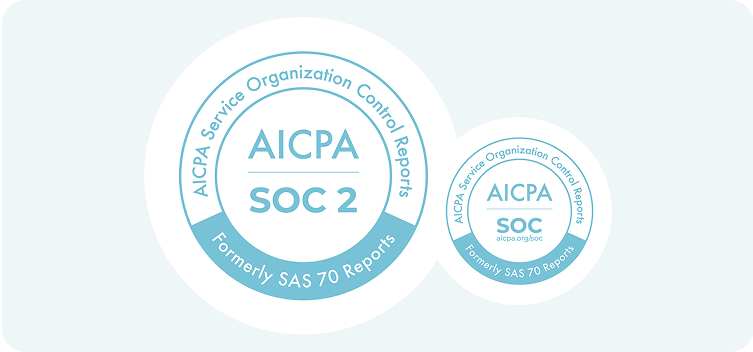
  • Robust Data Security and Compliance: Mercans meets stringent data protection standards, including GDPR certification and compliance with SOC 1 and SOC 2 requirements, ensuring the security of sensitive information.
  • ISO Certifications: Holding ISO 20000 and ISO 27001 certifications, Mercans demonstrates its commitment to high-quality IT service management and information security practices.
  • OWASP ASVS Compliance: Mercans adheres to OWASP ASVS 3.0 standards, ensuring robust security practices in application development and management.
  • HRBlizz Platform: The proprietary HRBlizz suite streamlines global payroll and talent management, ensuring compliance with local regulations. With a team of over 1,000 in-country specialists, it provides expert knowledge of Belgian labor laws and business practices.
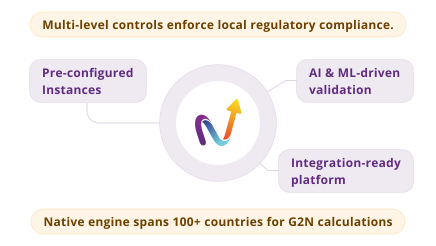
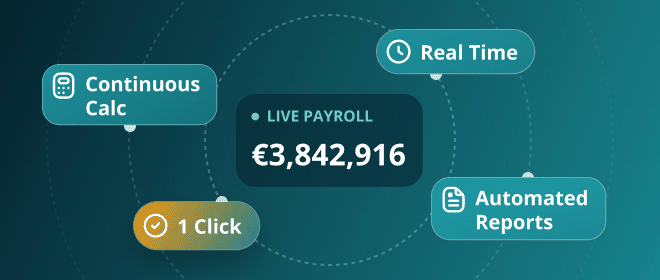
  • G2N Nova: G2N Nova delivers advanced gross-to-net payroll processing in over 100 countries, functioning as a SaaS or service delivery platform. It can operate independently or integrate seamlessly with major HCM and workforce management systems.

Conclusion

Partnering with Mercans as your Employer of Record in Belgium not only simplifies local employment complexities but also helps ensure compliance with labor laws and payroll requirements. This allows businesses to operate smoothly and focus on growth without the administrative burden.

This document was prepared for informational purposes only. As local laws & regulations keeps on changing. Please consult your tax & legal advisors as well.
Contact Sales
Let's get this conversation started. Tell us a bit about your requirement, and we'll get in touch a soon as we can.

    Sample message

    1. We want to expand in $country

    2. We want you to employ 'X' number of employees on our behalf

    3. Contract duration – 3/6/9/12/18/24 months

    4. Number of legal entities (if any exist today)

    5. Employment type: EOR employee or contractor?

    6. Any benefits requirement or “standard statutory only”?

    FAQs

    What is an Employer of Record (EOR) in Belgium?

    An Employer of Record (EOR) in Belgium is a third-party service provider that legally employs workers on behalf of another company. The EOR manages all employment-related responsibilities, including contracts, payroll, taxes, benefits, and compliance with Belgian labor laws, enabling businesses to hire employees without establishing a local entity.

    How can foreign companies hire employees in Belgium without setting up a local entity?

    Foreign companies can engage an EOR to hire employees in Belgium. The EOR assumes the legal employer role, handling all statutory obligations, while the client company manages the employee’s daily tasks. This approach allows businesses to operate in Belgium without the need for a local branch or subsidiary.

    What compliance, payroll, and HR services does an EOR in Belgium manage?

    An EOR in Belgium ensures compliance with local labor laws by managing employment contracts, processing payroll, withholding and remitting taxes, making statutory contributions, administering mandatory benefits, and completing statutory filings. They also handle work permits and visa sponsorship for expatriate employees.

    What are the advantages of using EOR services in Belgium?

    Utilizing an EOR in Belgium offers several advantages: it simplifies market entry by eliminating the need for a local entity, ensures compliance with complex labor laws, reduces administrative burdens, mitigates legal risks, and accelerates the hiring process.

    How much does it cost to hire employees through an EOR in Belgium?

    The cost of hiring through an EOR in Belgium varies depending on the provider and the services included. Generally, fees can range from $199 to $599 per employee per month. It’s advisable to consult with the EOR provider for a detailed pricing structure.

    Is an EOR the best option for expanding a business into Belgium?

    An EOR is an effective solution for businesses looking to expand into Belgium without the complexities of setting up a local entity. It provides a compliant and efficient way to hire employees, allowing companies to focus on their core operations while the EOR manages employment-related tasks.

    Ready to hire in Belgium?

    No local entity needed. Our experts handle payroll, compliance, and onboarding.

    Talk to an expert
    Proven expertise in global payroll.