Employer of Record

Employer of Record in United Arab Emirates

Hire compliantly, pay accurately, expand confidently.

Global Payroll Team
Written by Global Payroll Team
Last updated April 24, 2026
Expert Reviewed

An Employer of Record UAE serves as the legal employer for workers in the UAE. Often referred to as a Global Professional Employer Organization (Global PEO), this role involves overseeing various aspects of employment, including ensuring strict compliance with local labor laws and regulations, managing essential tasks like payroll, taxes, mandatory benefits, and employment agreement creation.

The Employer of Record (EOR) in the UAE takes on the responsibilities of:
  • Ensuring that the worker’s employment adheres to the country’s legal framework.
  • Managing the local payroll process efficiently.
  • Handling the filing of employment-related taxes and all necessary paperwork.
  • Providing workers with accurate payslips.
  • Disbursing workers’ salary payments promptly.

Simplify your global expansion with our Global PEO services – a hassle-free solution without the need for entity setup. Our Employer of Record (EOR) in the Middle East, particularly in the UAE, assures legal compliance, a solid legal presence, and Intellectual Property protection, allowing your business to focus on its core operations. Facilitate seamless global mobility and work visas while building a diverse and efficient global workforce. Partner with Mercans, your trusted Employer of Record in the UAE, to ensure a compliant and efficient employment experience for your global workforce.

Roles and responsibilities of Employer of Record in UAE

Background Verification

The Employer of Record UAE conducts thorough background checks to ensure the suitability of employees for specific roles.

Employee Onboarding

Streamlining the process of integrating new employees into the company, ensuring a smooth transition and legal compliance.

Payments

Managing timely and accurate disbursement of salaries and benefits to employees, adhering to local regulations.

Local Labor Laws Compliance

Ensuring that the organization and its employees adhere to the labor laws and regulations of the UAE.

IP Protection

Safeguarding intellectual property rights and ensuring legal protection for the company’s assets.

Payroll Management

Handling the intricacies of payroll processing, tax compliance, and ensuring the accuracy of employee compensation.

Employer of Record Dubai

Mercans, as an Employer of Record (EOR) in Dubai, extends its expertise to assist foreign companies with comprehensive EOR services. With a dedicated entity in Dubai, Mercans ensures smooth market entry, legal compliance, and seamless HR and payroll solutions for international businesses.

Things you need to know before hiring in UAE

Hiring employees in the UAE involves specific legal and regulatory requirements, particularly when dealing with expatriates. To navigate this process effectively, companies must establish a legal entity or use a compliant employment solution, sponsor employee work permits and residence visas where required, understand unique compensation structures, adapt to the local workweek, and account for the End of Service Gratuity. The UAE encourages foreign investment and foreign workers but imposes strict employment laws. Employers must provide documented job offers, comply with labor regulations, and ensure clear communication with employees. Obtaining necessary documents, understanding the offer, and adhering to employment contracts are essential aspects of the hiring process in the UAE.

In such cases, an Employer of Record UAE can help organizations simplify many operations.

Employees vs Independent Contractor Compliance

AspectEmployeesIndependent Contractors
Legal FrameworkGoverned by Federal Decree-Law No. 33 of 2021 on labour relations for the private sector, as amended, plus executive regulations and ministerial decisionsUsually governed mainly by civil/commercial contract law, not the Labour Law as an employment relationship
Hiring ProcessRequires a written employment contract and the relevant work permit/residency process where applicableUsually engaged under a service/consulting agreement; if the individual is working in the UAE onshore, the proper business/licensing and immigration setup still matters
TaxationNo personal income tax on salaries, wages, or allowancesNo personal income tax on service income either; however, VAT may apply if the contractor is carrying on a taxable business and exceeds the VAT registration threshold
CompensationSalary/wage as agreed in the employment contract; “housing/car” allowances are not universally mandatory under Labour Law, though they may be contractualPaid fees under the contractor agreement, usually against invoice or milestones
Workers’ RightsCovered by labour-law rights such as working hours, overtime rules, leave, end-of-service benefits, and other statutory protectionsRights are mainly contractual, not employee labour-law entitlements
TerminationTermination must comply with Labour Law, notice rules, and end-of-service obligations where applicableGoverned mainly by contract terms; no employee-style end-of-service entitlement unless contractually agreed
PaymentWages are generally paid through the Wage Protection System (WPS) for covered private-sector employment relationshipsUsually paid outside payroll as contract/service payments; WPS is an employment/payroll system, not a general contractor invoicing system
Social Insurance / BenefitsUAE/GCC nationals may have pension/social insurance rules depending on nationality and scheme; expatriates generally rely on end-of-service benefits and mandatory health insurance rules where applicableContractors generally arrange their own insurance/retirement setup unless a specific scheme applies
Control and SupervisionEmployer generally directs how, when, and where the work is performedContractor has more autonomy over method and delivery, subject to the service contract
Reclassification RiskLower if structured and operated as employmentHigher if the “contractor” works in practice like an employee under employer control

Employment Contracts

The United Arab Emirates (UAE) is a unique landscape when it comes to employment, accommodating both traditional employees and independent contractors. Understanding the legal framework governing employment contracts is essential for businesses operating in this dynamic region.

Legal Framework

  • Employees: Employees in the UAE private sector are regulated by Federal Decree-Law No. 33 of 2021 on the Regulation of Labour Relations, as amended, together with its implementing regulations. This law defines the employment standards and benefits that apply to private-sector employees, ensuring their rights and obligations.
  • Independent Contractors: Independent contractors, on the other hand, typically operate outside the scope of the UAE Labour Law, allowing for more flexibility and negotiation in their contractual arrangements.

Hiring Process

  • Employees: Hiring employees in the UAE necessitates the establishment of a written employment contract, detailing critical elements such as the start date, end date, job description, workplace location, and the agreed-upon compensation.
  • Independent Contractors: Independent contractors, however, engage through an independent contractor agreement. This contract specifies the scope of work, deadlines, and fees to be charged for their services.

Taxation

  • Employees: Employees in the UAE benefit from the absence of personal income tax, eliminating the need for personal income tax returns on employment income. Their salary is typically received free of UAE personal income tax.
  • Independent Contractors: Independent contractors need to be aware that VAT and, where applicable, corporate tax rules may affect their business activities depending on the nature of their setup and taxable turnover or profits.

Compensation

  • Employees: Traditional employees often receive a monthly salary that may include additional allowances such as housing and transport benefits, with the basic salary typically representing a significant portion of the total remuneration.
  • Independent Contractors: Independent contractors work on a different compensation model. They charge fixed fees for their services and invoice clients upon task completion. Compensation is straightforward and generally devoid of employee-style allowances.

Workers’ Rights

  • Employees: Employees are protected by the UAE’s labour rights, ensuring a maximum working day, overtime pay, and regulated leave entitlements. These rights are consistent with the provisions of the current UAE Labour Law.
  • Independent Contractors: Independent contractors’ rights are primarily determined by the terms of their individual contracts. Their working arrangements can vary significantly and are tailored to their specific agreements with clients.

Termination

  • Employees: In cases of termination, employees are eligible for end-of-service benefits based on their duration of employment, subject to the conditions of the Labour Law and the length of service.
  • Independent Contractors: Independent contractors must take responsibility for their financial protection, including insurance against illness or workplace accidents. They do not typically receive end-of-service gratuity.

Payment

  • Employees: Employees in the UAE receive their payments through the Wages Protection System where WPS applies, ensuring accurate and timely salary transfers.
  • Independent Contractors: Independent contractors are paid according to their contractual terms rather than through employee payroll systems.

Understanding the nuances of employment contracts in the UAE is crucial for companies seeking to engage with a diverse workforce that includes both traditional employees and independent contractors. It’s essential to navigate the legal framework, taxation, and rights to ensure compliance and maintain a harmonious working environment for all. In such times, an Employer of Record UAE is of utmost help to organizations to help them navigate in a foreign land.

Social Security in UAE

Social security is a crucial aspect of the employment landscape in the United Arab Emirates (UAE), ensuring the welfare and financial security of eligible individuals. Understanding the dynamics of social security is paramount for both employers and employees operating within this dynamic region.

Social Security Administration
  • GPSSA (General Pension and Social Security Authority): GPSSA is responsible for administering pension and social security insurance across the UAE outside the Emirate of Abu Dhabi for covered categories.
  • ADRPBF (Abu Dhabi Retirement Pension and Benefits Fund): In the emirate of Abu Dhabi, ADRPBF manages pension and social security contributions for UAE nationals under the applicable Abu Dhabi framework.
Eligibility for Social Security Benefits
  • GPSSA Pension Scheme: Eligibility for GPSSA coverage extends principally to UAE nationals and, through the GCC protection extension system, to eligible GCC national employees in line with their home-country social insurance rules. Expatriates who are not covered by these pension schemes are generally entitled instead to end-of-service gratuity under the Labour Law.
  • Accumulated Contributions: Entitlement to pension benefits depends on the applicable pension legislation and contribution record. The precise qualifying conditions differ by scheme and category.
GCC Nationals in the UAE
  • GCC Employee Contributions: Employers in the UAE are responsible for mandatory subscriptions for their GCC employees in accordance with the insurance protection extension system and the social security laws of the GCC employees’ respective home countries. GPSSA acts as the channel for the relevant remittances where applicable.
Contribution Details
  • Contribution Rates: Under the current GPSSA framework for UAE nationals in the private sector, the total contribution is generally 26% of the contribution account salary. The insured employee contributes 11% and the employer contributes 15%. For private-sector Emiratis whose contribution account salary is below AED 20,000, the government bears 2.5% of the contribution account salary as support to the employer contribution.
Social Security Contributions
In the UAE, social security contributions are essential for ensuring financial stability. For covered UAE nationals in the private sector under GPSSA, the employee contribution is generally 11% and the employer contribution is generally 15% of the contribution account salary. In Abu Dhabi, separate pension rules apply through the Abu Dhabi Retirement Pensions and Benefits Fund. GCC nationals follow their home-country pension rules through the GCC protection framework. Expatriates are generally outside the pension system and instead accrue end-of-service gratuity under the Labour Law.

Ensure your employees’ financial security and pension benefits in the UAE with Mercans. We handle all the details, ensuring that your social security contributions are promptly and accurately paid to the relevant authorities in the UAE.

Payroll in UAE

Payroll requirements are governed by UAE Labour Law and the Wage Protection System where applicable. There is no single statutory payslip format prescribed by federal law, however, in general practice, payslips are issued to employees monthly. Payments are controlled under the Wage Protection System for employers registered with MOHRE, while free zone companies may be subject to the rules of their relevant free zone authority. The employer is considered late in paying the wage if the payment is not made within the first 15 days after the due date, unless the employment contract provides for more frequent payment. It is generally mandatory to have a local employment contract and salary payments are ordinarily made in UAE dirham.

Sample Payslip

mercans payslip sample

Mercans’ Payroll Capabilities

In the complex landscape of the UAE, where employer-employee relationships can be multifaceted, Mercans serves as your trusted Employer of Record (EOR) in the UAE for comprehensive payroll solutions. We understand that payroll is the lifeblood of your business operations, and our services are thoughtfully designed to meet your unique requirements.

Payroll Cycle in the UAE

Our end-to-end payroll services in the UAE, as your Employer of Record, cover the entire payroll cycle, ensuring precise and timely salary disbursements to both your employees and contractors. From gathering data to disbursing payments, we manage every step of the process, relieving you of the intricacies.

Local Currency Payments in the UAE

A key highlight of our payroll expertise as your Employer of Record in the UAE is the management of multi-currency payrolls. We guarantee that all payments are made in the local currency, aligning with UAE labor laws and regulations. This approach simplifies payroll distribution for your employees, eliminating the need for currency conversions.

Payroll Setup, Processing, and Administration with EOR in the UAE

Our proficient team as your Employer of Record in the UAE takes charge of the comprehensive payroll setup, processing, and administration. Whether you require support in establishing payroll systems, conducting routine payroll cycles, or administering various payroll components, we possess the knowledge and capabilities to ensure a smooth, error-free process.

Ensuring Statutory Compliance as your Employer Of Record in the UAE

Compliance is a central pillar of our payroll services as your Employer of Record in the UAE. We meticulously handle all statutory filings and payments, assuring that your business strictly adheres to local tax laws and regulations in the UAE. Our profound understanding of local compliance requisites guarantees that your organization maintains a favorable standing with the relevant authorities.

With Mercans as your Employer of Record in the UAE, you can concentrate on your core business activities, leaving the complexities of payroll management in our capable hands. Our deep expertise and experience ensure a payroll experience that is both seamless and compliant with UAE regulations, making us your trusted Employer of Record in the UAE.

UAE Employee Hiring Cost

Employing individuals in the UAE comes with various employer costs that can include pension contributions for covered UAE or eligible GCC nationals, health insurance where mandated by local rules, visa and immigration costs for expatriates, and end-of-service gratuity accruals for employees not covered by a pension scheme.

Social Security Contributions

Employers of covered UAE nationals and eligible GCC nationals are obligated to contribute to pension and social security programs under the applicable scheme. For expatriate workers, employers instead generally need to consider end-of-service gratuity and statutory benefits rather than pension contributions.

Total Annual Employer Costs

In addition to any pension contributions where applicable, there may be additional expenses such as health insurance, visa costs, allowances, and other contractual benefits, which collectively contribute to the total annual cost of employing an individual in the UAE.

DescriptionAmount (AED)
Gross annual salary20,000.00
Fixed annual employer payroll taxes / social charges0.00*
End-of-service gratuity accrual**1,150.68
Health insuranceVariable
Work permit / visa / medical / Emirates ID costsVariable
Total annual employer cost21,150.68 + variable items

Wage Protection System (WPS)

As of September 1, 2009, the UAE Ministry of Labor implemented a mandatory electronic salary transfer system known as the WPS (Wage Protection System). The WPS is obligatory for employers registered with the Ministry in the UAE, while free zone companies may be subject to separate or parallel salary protection arrangements depending on their authority. Employers are required to designate and formally engage an accredited agent licensed within the system to facilitate the WPS. The employer provides instructions to its chosen bank for salary payments, with the bank serving as an accredited WPS agent.

Here’s an overview of the process:
The bank compiles payroll details on behalf of the employer and transmits them to the WPS agent engaged by the employer.

The WPS agent electronically forwards the payroll details to the WPS, which, in turn, transmits this data to the Ministry.

The Ministry verifies the accuracy of the salary file in accordance with its records and communicates this verification to the WPS.

Subsequently, the WPS dispatches the salary file containing employee payroll particulars to the WPS agent along with authorization for payment.

The WPS agent carries out the disbursement of salaries to the employees, ensuring that payments are made in the local currency, the UAE dirham.

Mercans understands the significance of compliance with payroll regulations in the UAE, offering expert guidance to navigate the intricacies of the WPS and other labor-related processes.

Termination, Resignation or Retirement

In the United Arab Emirates (UAE), understanding the rules and processes surrounding termination, resignation, and retirement is crucial for both employers and employees. Here’s a comprehensive overview of these key aspects:

Probationary Period

Probationary periods are a common practice in the UAE, with a maximum duration of six months. During probation, the employer may terminate the employee by giving at least 14 days’ written notice. If the employee wishes to leave the UAE during probation, the employee must generally give at least 14 days’ written notice. If the employee wishes to transfer to another employer in the UAE during probation, the employee must generally give at least 30 days’ written notice.

Employment Contract Terms

Employment contracts in the UAE private sector are fixed-term contracts.

  • Fixed-Term Contracts: Private-sector employment contracts are fixed-term. Employment contracts may be full-time or part-time and may also reflect work arrangements such as temporary work, flexible work, remote work, or job sharing.
  • Termination of Contract: Either party may terminate the contract for a legitimate reason, provided written notice is given and the legal requirements are met.

Legitimate Causes for Dismissal (Employer) and Termination (Employee)

Under the UAE Labour Law, employers can legitimately terminate an employee’s contract for a legitimate reason related to work, and in certain serious cases can terminate without notice in accordance with the statutory grounds. Employees also have statutory grounds to leave without notice in specific situations set by law.

Disciplinary Procedures

The UAE Labour Law permits various disciplinary penalties, including warnings, suspensions, fines, and terminations. A specific procedure must be followed, which includes notifying the employee in writing of the allegation, allowing them to defend themselves, conducting a proper investigation, and imposing any penalties within the legal timeframes.

Redundancies

Redundancies are not separately defined as a standalone statutory category in the same way as in some jurisdictions. Any termination for business reasons must align with the general termination provisions of the Labour Law.

Notice and Payment in Lieu

Notice periods are set by the UAE Labour Law. In private-sector contracts, the notice period must be not less than 30 days and not more than 90 days. If an employer does not require employees to work their notice period, they should provide payment in lieu of notice.

End-of-Service Gratuity

Employees who have completed at least one year of continuous service are typically entitled to an end-of-service gratuity upon contract termination, unless they are covered by a pension scheme that replaces gratuity. The gratuity is calculated on the basic wage at the rate of 21 days’ basic wage for each of the first five years of service and 30 days’ basic wage for each additional year, with the total gratuity not exceeding two years’ wage.

Understanding these facets of UAE labor regulations is essential for both employers and employees, ensuring that employment relationships are handled in accordance with the law and best practices. If you have specific questions or require expert guidance, consult with Mercans, your trusted partner in navigating the intricacies of labor laws in the UAE.

Employee Benefits in UAE

The United Arab Emirates (UAE) offers a wide range of benefits to its employees, both by law and as per contractual agreements. Here’s an in-depth look at the benefits granted to employees in the UAE:

Statutory Leaves
Employees in the UAE are entitled to various statutory leaves outlined in the UAE Labour Law. These include:

  • Annual Leave: Two days per month for those with more than six months and less than one year of service, and 30 days per annum for those with over one year of service.
  • Maternity Leave: 60 days of leave, with 45 days at full pay and 15 days at half pay.
  • Parental Leave: Five working days for either parent, to be taken within six months of the child’s birth.
  • Sick Leave: Up to 90 days of sick leave per year, generally unpaid for the first 15 days, half pay for the next 30 days, and unpaid for the remaining 45 days.
  • Bereavement Leave: Three to five days depending on the relation of the deceased family member.
  • Study Leave: A paid leave of 10 working days for employees studying in approved institutions in the UAE after two years of service.
  • Hajj Leave: Up to 30 days of unpaid leave once during employment for the performance of Hajj, subject to the Labour Law.
Contractual Salary
Employees must receive their contractual salary at least once a month, as specified in their employment contract.
Other Benefits in Employment Agreement
Apart from the salary, employees should receive other benefits as mentioned in their employment agreement. These may include transport allowances, commissions, and bonuses.
Weekly Holidays
Companies in the UAE commonly provide two weekly rest days, usually Saturday and Sunday, although the exact arrangement depends on the employer’s schedule and applicable rules.
Public Holidays
Every employee is entitled to public holidays as announced by the UAE Government. If employees are required to work on a public holiday, compensation must be provided in accordance with the Labour Law.
End of Service Gratuity
Employees are generally eligible for end-of-service gratuity after one year of continuous service, with the calculation based on their basic salary and years of service.
Health Insurance
Employers are responsible for providing health insurance where this is required by the applicable local rules in the relevant emirate, and such cost may not simply be shifted to the employee contrary to the law.
Overtime
Overtime is paid for extra hours worked beyond the normal working hours. Rates vary depending on whether the extra work is performed during ordinary daytime, at night, on rest days, or on public holidays, in accordance with the Labour Law.
Repatriation Ticket
The employer is generally responsible for repatriation expenses at the end of employment unless the employee joins another employer or is otherwise legally responsible for the termination circumstances under the applicable rules.
Pension/Social Contribution
Pension and social security contributions are provided for UAE nationals and eligible GCC nationals. In Abu Dhabi, pensions for UAE nationals are managed by the Abu Dhabi Retirement Pensions and Benefits Fund, while GPSSA manages the relevant federal pension framework outside Abu Dhabi.
Payroll Process
Managing payroll can be complex, so many organizations choose to outsource this function to experts like Mercans. Outsourcing ensures accurate payroll processing, compliance with the Wage Protection System where applicable, and handling all aspects of payroll administration.

At Mercans, we ensure employees receive all their benefits as per local labor laws, so you can focus on your core business activities. Let us take care of the intricate details of employment benefits and payroll management in the UAE. Contact us today to learn more.

Personal Income Tax

When it comes to personal income tax, the United Arab Emirates (UAE) is known for not imposing personal income tax on employment income. This remains one of the core reasons the UAE is considered an attractive jurisdiction for employees and entrepreneurs.

One key feature that adds to the allure of the UAE for entrepreneurs is its simplified business registration procedures, robust investment promotion policies, and the government’s commitment to substantial projects aimed at fostering the country’s sustainable development. These elements make the UAE an exceptionally welcoming destination for business ventures.

In this discussion, we delve into withholding tax, which is a tax commonly imposed in most countries, but is uniquely handled in the UAE.

Withholding Tax – A Non-Issue in the UAE

In the UAE, there is generally no withholding tax on domestic payments of the kind commonly seen in other jurisdictions. This includes the absence of withholding tax on most categories of income under current UAE tax policy.

The withholding tax position in Dubai follows the UAE’s general federal tax approach. It is not imposed on residents or foreign citizens in the ordinary way that other jurisdictions apply withholding taxes on interest, royalties, or other payments.

In contrast to many other nations around the world, the UAE is earnestly committed to providing a propitious environment for businesses. The absence of various taxes, including withholding tax in the ordinary sense, serves as a testament to this commitment.

So, if you are contemplating where to launch or expand your business, the UAE should certainly feature in your considerations. The free trade zones, along with the exemption from various taxes and the UAE’s promising prospects for business growth, make it an ideal setting for giving your business a substantial head start when compared to similar enterprises in other parts of the world.

Personal Taxation – Virtually Non-Existent

For individuals employed in the UAE, there is currently no federal or emirate-level personal income tax on employment income in place. This means that individuals working in the UAE can enjoy the benefits of their earnings without the burden of personal income tax.

Work Permit UAE

To reside and work in the United Arab Emirates (UAE), individuals are generally required to secure a work permit and residence visa through their sponsoring employer. The UAE government strictly adheres to these regulations, making it essential for foreign nationals seeking employment in the country to follow a specific set of procedures. Although these steps may vary based on the employee’s nationality or immigration status at the time of hire, the following provides a general overview of the process.

Residency Visa Process

Ministry of Labor Offer Letter
Your journey to obtaining a residency visa typically begins with your employer preparing an official offer letter and employment documentation in line with MOHRE requirements.
Work Permit Acquisition
Your prospective employer takes the necessary steps to secure your work permit. This essential document establishes your eligibility to work in the country and represents the first official endorsement of your employment status in the UAE.
Entry Permit Procurement
Once your work permit is secured, the sponsoring employer or relevant authority will proceed with the immigration steps that allow you to enter or regularise status in the UAE as an employee.
Arrival in the UAE
Upon receiving the relevant entry authorization where needed, you can make your way to the UAE and begin the remaining immigration formalities.
Medical Examination and Biometrics
Soon after your arrival, you will generally be required to undergo a medical examination and complete identity registration steps. These assessments are essential to determine your eligibility for residency and employment in the UAE.
Residency Visa Issuance
With the immigration steps successfully completed, the UAE authorities will then issue your residence visa. A normal employment residence visa is generally valid for two years and renewable, subject to the terms and conditions of the issuing authority.
Emirates ID Acquisition
The final step in this process involves obtaining an Emirates ID. This identity card is an official document that further solidifies your legal presence and is essential for various administrative and financial activities within the UAE.

Mercans’ Scope of Services

Mercans is your dedicated Employer of Record in the UAE, offering an extensive array of services to support your employment journey in the country. Our comprehensive scope of services covers all facets of your UAE employment process. From meticulously preparing your job offer and employment documentation to managing the intricate work permit and residence visa procedures, we provide expert guidance, ensuring a seamless entry into the UAE job market.

Rely on Mercans to streamline your residency visa application, overseeing all essential administrative tasks, including medical examinations and identity formalities. We are well-versed in the complex landscape of UAE immigration and will make your transition to this vibrant nation effortless. By choosing Mercans as your Employer of Record, you are selecting a trusted partner dedicated to securing your successful employment in the UAE.

EOR Solutions in the United Arab Emirates (UAE)

EOR for Prospective Employees
Mercans offers seamless Employer of Record (EOR) solutions for businesses that have already identified their ideal candidates in the United Arab Emirates (UAE). Our services encompass every aspect of the employee lifecycle, ensuring compliance with United Arab Emirates (UAE) labor laws and regulations.
EOR + Recruitment
For those seeking assistance in talent acquisition, our EOR and recruitment services provide a holistic solution. We tap into our extensive network and expertise to help you find, onboard, and retain top talent, streamlining your expansion into the United Arab Emirates (UAE) market.
Visa Sponsorship and Global Mobility
Navigating the complexities of expatriate employment is made easier with our visa sponsorship and global mobility services. Mercans helps facilitate the relocation of your international workforce, ensuring compliance with UAE immigration and employment laws while supporting a smooth transition for your team.
AOR for Contractor Payments
Businesses grappling with contractor payments can leverage our Assistance on Record (AOR) services. We handle the complexities of contractor payments, guaranteeing accuracy and compliance.
Converting Freelancers to Employees
Mercans supports the transition from independent contractors to permanent employees in the United Arab Emirates (UAE). Our expertise ensures smooth conversions while adhering to legal requirements.
HCM Integration
Integrate Mercans’ EOR services seamlessly with your HCM system in the United Arab Emirates (UAE) for real-time data exchange, enhanced compliance, and cost-efficiency. Trust our expertise for a unified, compliant, and efficient approach, elevating your workforce management and payroll operations.

Best Employer of Record UAE

Mercans Stands Out as the Leading Employer of Record in the UAE for the Following Reasons:

  • Regulatory Compliance: Mercans ensures full compliance with all regulations set by MOHRE: Ministry of Human Resources & Emiratisation and relevant UAE authorities. It strictly adheres to the UAE’s employment laws and standards, guaranteeing full legal compliance.
  • Independent Operation: Operating as a distinct entity, Mercans offers reliable and customised employment services tailored to the unique needs of businesses in the UAE.
  • Diverse Employment Support: Mercans efficiently manages various forms of employment, including employees, freelancers, contractors, and expatriates, providing flexible solutions to meet a wide range of workforce needs.
  • Enterprise-Focused Solutions: Specifically designed to cater to large enterprises, Mercans delivers scalable and sophisticated services that accommodate complex organisational structures.
  • Multi-Currency Payroll Management: Mercans facilitates payroll processing in multiple currencies, ensuring seamless financial operations for businesses operating in the UAE and internationally.
  • Global Reach and Payroll Expertise: With a robust international presence, Mercans excels in managing multi-country payroll, enabling smooth operations across borders.
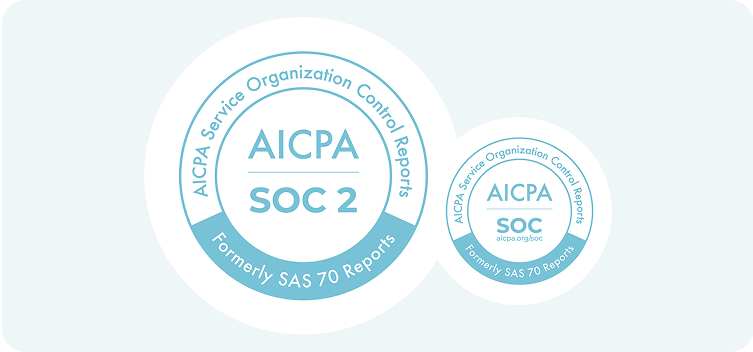
  • Data Protection and Compliance: Mercans adheres to rigorous data protection standards, including GDPR compliance and SOC 1 & SOC 2 certifications, ensuring the highest levels of data security.
  • ISO Certifications: Mercans holds ISO 20000 and ISO 27001 certifications, reflecting its commitment to excellence in IT service management and information security.
  • Security Standards Compliance: Mercans meets the OWASP ASVS 3.0 standards, ensuring strong security practices in application development and management.
  • HR Blizz Platform: The proprietary HR Blizz platform is a global payroll and talent management SaaS suite that streamlines payroll processes while ensuring compliance with UAE regulations. With over 1,000 local experts, it provides in-depth knowledge of employment laws and business practices.
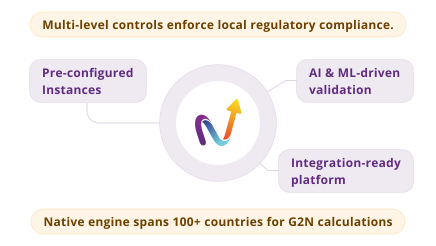
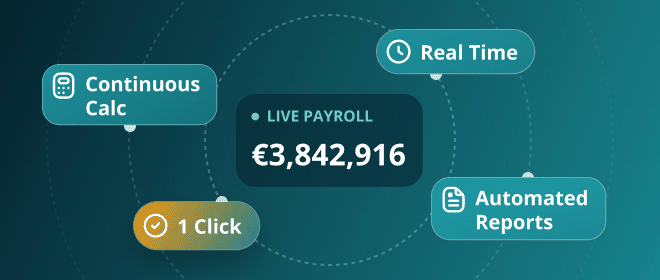
  • G2N Nova Payroll Engine: G2N Nova offers global gross-to-net payroll processing across more than 100 countries, making it one of the most advanced payroll engines available. It can be deployed as a SaaS solution or integrated seamlessly with major Human Capital Management and Workforce Management systems.

Conclusion

In conclusion, Mercans offers a comprehensive suite of services to support your business in the UAE, whether it’s EOR solutions, recruitment, visa sponsorship, contractor payment management, transitioning freelancers into employees, or HCM integration. With our commitment to compliance and expertise, we’re your trusted partner for a successful venture into the dynamic UAE market. Choose Mercans to streamline your operations and ensure success.

This document was prepared for informational purposes only. As local laws & regulations keeps on changing. Please consult your tax & legal advisors as well.
Contact Sales
Let's get this conversation started. Tell us a bit about your requirement, and we'll get in touch a soon as we can.

    FAQs

    What is an Employer of Record in the UAE, and how does it operate under local laws?

    An Employer of Record in the UAE is the legal employer. They manage contracts, payroll, benefits, and compliance while your company oversees daily work.

    Is it legal to hire employees in the UAE through an EOR, and what compliance requirements apply?

    Yes. The EOR complies with UAE labor law, MOHRE rules, and free zone regulations.

    How does an EOR in the UAE manage payroll, visas, and end-of-service gratuity?

    The EOR runs payroll, sponsors visas, and administers gratuity payments required by law.

    What are the benefits of using an EOR in the UAE compared to a local entity?

    It allows quick hiring without incorporation. The EOR handles payroll, visas, and compliance efficiently.

    Do EOR providers in the UAE ensure compliance with Emiratization and regulations?

    Yes. They comply with Emiratization and monitor all federal and free zone rules.

    Ready to hire in United Arab Emirates?

    No local entity needed. Our experts handle payroll, compliance, and onboarding.

    Talk to an expert
    Proven expertise in global payroll.