Employer of Record

Employer of Record (EOR) Kenya

Hire compliantly, pay accurately, expand confidently.

Global Payroll Team
Written by Global Payroll Team
Last updated April 24, 2026
Expert Reviewed

An Employer of Record in Kenya serves as the official employer for workers in the country. Known as a Global Professional Employer Organization (Global PEO), this role encompasses comprehensive employment oversight. It ensures strict adherence to local labor laws, manages essential tasks such as payroll, taxes, mandatory benefits, and the creation of employment contracts.

Key responsibilities of the Employer of Record (EOR) include:
  • Ensuring compliance with local employment laws.
  • Managing the local payroll process.
  • Handling the filing of employment-related taxes and necessary documentation.
  • Providing employees with accurate payslips.
  • Distributing employee salary payments promptly.

Optimize your global expansion with our Global PEO services – a streamlined solution that eliminates the need for establishing a legal entity. Our Employer of Record (EOR) in Kenya guarantees compliance, legal presence, and Intellectual Property (IP) protection, enabling your business to concentrate on its core activities. Facilitate seamless global mobility, including work visas, while building a diverse and efficient global workforce. Partner with Mercans, your trusted Employer of Record in Kenya, for a compliant and efficient employment experience for your global workforce.

Things you need to know before hiring in Kenya

Employment Contracts in Kenya

In Kenya, employment contracts and relationships are governed by robust legal frameworks such as the Employment Act No. 11 of 2007, alongside constitutional provisions and related statutes. These regulations outline the fundamental rights of employees, ensuring fair treatment and adherence to established employment conditions. Employment contracts, whether oral or written, are essential for defining the terms of engagement between employers and employees, ensuring clarity and mutual understanding of obligations and rights.

Defining an Employment Service Agreement
In Kenya, an employment service agreement refers to a verbal or written contract where an employee commits to offering their skills and services under the employer’s supervision for compensation. This includes apprenticeship and indentured learnership agreements, emphasizing the mutual obligations.
Components of an Employment Service Agreement
The fundamental components of an employment service agreement were outlined in the Ready Mixed Concrete (South East) Ltd v Minister of Pensions and National Insurance [1968] 2 Q.B. 497 case. These include the provision of personal labor and skills, the employer’s authority over the employee’s tasks, and alignment with the employment relationship.
Key Attributes of Written Employment Service Agreements
According to the Employment Act No. 11 of 2007, written employment service agreements must specify details such as employee and employer information, job description, start date, contract duration, work location and hours, remuneration, statutory benefits, leave entitlements, applicable deductions, sick pay, disciplinary procedures, and notice periods. Contracts must be understandable to illiterate or non-English-speaking employees to ensure they fully comprehend the terms before signing. Employees engaged on a continuous basis for more than three months should be issued with a written contract or letter of appointment.
Varieties of Employment Service Agreements
The Employment Act categorizes several types of employment service agreements:

  • Open-Ended Contract: Employment without a specified end date.
  • Fixed-Term Contract: Employment for a predetermined period.
  • Task-Based Contract (Piece Work): Agreement to complete a specific task or project.
  • Casual Employment Contract: Employment on an irregular or as-needed basis.

Working Hours

  • Working Hours: Under the Employment Act, employers must regulate working hours in line with the law and applicable wage orders. In practice, ordinary working hours are commonly set by the relevant Regulation of Wages Order and sector.
  • Overtime: Hours worked beyond the normal hours set by the applicable wage order or contract are treated as overtime.
  • Compensation for Overtime: Overtime rates are generally governed by the applicable wage order. In many cases, overtime on normal working days is paid at one and a half (1.5) times the normal hourly rate, while work on rest days and public holidays is paid at double (2) the normal hourly rate.

Probation Period

During a probationary period, which may not exceed six (6) months and can be extended by another six (6) months with the employee’s agreement, either party can terminate the contract. Termination of a probationary contract requires at least seven days’ notice or payment of seven days’ wages in lieu of notice by the employer.

13th Month Salary

In Kenya, the 13th month pay is optional and not mandated by law. Employers have the discretion to decide whether to provide this additional salary. Therefore, employees should not anticipate receiving this bonus at the end of each year.

Employers who choose to offer the annual bonus in Kenya often do so as a recognition of their employees’ contributions throughout the year. Some companies may tie this bonus to meeting performance targets or achieving specified sales or profit objectives.

Termination, Severance Pay and Notice Period

In Kenya, there is no single mandatory retirement age for all private sector employees under the Employment Act. Retirement age is usually governed by the employment contract, employer policy, pension scheme rules, or specific sector rules.

Layoff and Redundancy Laws
Termination Notice Period: The statutory minimum notice period depends mainly on the wage payment interval unless the contract provides a longer period:

  • Daily-paid contracts may generally be terminated at the close of any day without notice.
  • Contracts paid at intervals of less than one month are generally terminable at the end of the period next following the giving of notice in writing.
  • Contracts where wages or salary are paid at intervals of or exceeding one month are generally terminable by at least twenty-eight (28) days’ written notice.
Dismissal
An employer may dismiss an employee summarily if the employee has fundamentally breached their obligations under the contract. However, the employer must still have a valid reason and follow fair procedure where required by law, including giving the employee an opportunity to be heard in misconduct, poor performance, or incapacity cases.
Redundancy
Redundancy is specifically regulated under section 40 of the Employment Act. Employers must issue the required notices, apply fair selection criteria, pay accrued leave where due, provide at least one month’s notice or pay in lieu, and pay statutory severance.
Severance Pay
Employees declared redundant are entitled to statutory severance pay of not less than fifteen (15) days’ pay for each completed year of service. This is a redundancy entitlement and is not a general severance entitlement for every type of termination.

Employees vs Independent Contractors

Navigating the distinction between employees and independent contractors is crucial for businesses and workers alike. This differentiation impacts legal obligations, tax considerations, and the nature of work relationships. Employees typically operate under the employer’s direct supervision and receive benefits such as health insurance and paid leave. In contrast, independent contractors enjoy greater autonomy, often setting their own schedules and handling their tax responsibilities. Understanding these differences ensures compliance with regulations and helps in making informed decisions about workforce management.

Comparison Table: Employees vs. Independent Contractors

Feature Employees Independent contractors
Control over work Work is done under the employer’s direction and control Usually control how the work is performed, subject to the contract terms
Work hours Often set or substantially controlled by the employer Usually set by the contractor, unless the contract fixes delivery times or availability
Tools and equipment Often provided or organized by the employer Often provide and maintain their own tools and equipment
Training May receive employer training and supervision Usually responsible for their own methods, skills and training
Payment Usually paid wages or salary at regular intervals Usually paid according to contract terms, milestones, deliverables or fees
Taxation Employer deducts and remits PAYE from employment income; employee statutory deductions may also apply Generally responsible for their own tax affairs; withholding or other tax treatment depends on the contract and tax rules
Statutory contributions May involve PAYE plus statutory payroll deductions/contributions such as NSSF, SHIF and the Affordable Housing Levy, where applicable Not treated as payroll employees for those employee/employer payroll contributions in the ordinary contractor relationship
Benefits May be entitled to statutory and contractual benefits, depending on the contract and the law Do not usually receive employee benefits from the client unless expressly agreed
Job security / unfair termination Protected by the Employment Act, including procedural and substantive fairness rules on termination Main protection is the contract itself; Employment Act unfair termination protections do not ordinarily apply
Legal rights Covered by employment law rights such as leave, fair termination rules and other statutory protections Generally not covered by core employee protections unless the relationship is found in substance to be employment
Contract duration May be on indefinite, fixed-term, or casual terms depending on the engagement Usually engaged for a project, task, retainer, or defined service period
Termination Termination must comply with the Employment Act and the contract Governed mainly by the service contract; notice and exit rights depend on agreed terms
Risk Usually does not bear the business risk of the enterprise Usually bears more commercial risk, including performance risk and some business expenses
Liability Employer may be liable for acts done in the course of employment Contractor is generally liable for their own acts and contractual performance
Union representation Can join trade unions subject to Kenyan labour law Not typically treated as unionized employees in the ordinary contractor model

Social Security in Kenya

Social security in Kenya is a critical component of the nation’s social welfare system, designed to provide financial protection and support to individuals and families in times of need. Administered primarily through the National Social Security Fund (NSSF) and the Social Health Authority (SHA), it encompasses a range of benefits, including retirement pensions, disability benefits, survivor benefits, and healthcare financing. Understanding the structure, benefits, and requirements of Kenya’s social security system is essential for both employers and employees to effectively navigate and utilize these vital resources.

Contributions for Employees

National Social Security Fund (NSSF) Contributions
  • Effective for Year 4 in 2026, NSSF contributions continue under the phased implementation of the NSSF Act, 2013.
  • For employees earning at or above the upper pensionable earnings limit, the maximum employee contribution is KES 2,160 per month, matched by an employer contribution of KES 2,160 per month.
  • Contributions must be remitted on or before the ninth day of the following month.
Social Health Insurance Fund (SHIF) Contributions
  • Kenya has transitioned from NHIF to the new Social Health Authority framework. Employers should now work with the Social Health Authority and the Social Health Insurance Fund (SHIF), not NHIF.
  • For salaried employees, the statutory SHIF contribution is 2.75% of gross salary, subject to a minimum contribution of KES 300 per month. The law does not currently provide a general maximum cap.
  • The contribution is generally remitted by the ninth day of the following month.
Affordable Housing Levy (AHL)
  • Employers must deduct and remit AHL at 1.5% of the employee’s gross monthly salary.
  • Employers must match this with another 1.5% of the employee’s gross monthly salary.
  • The levy is remitted to the Kenya Revenue Authority as the collector under the Affordable Housing Act, 2024.

AHL payments must be remitted by the ninth working day after the end of the month in which the gross salary was due. Late payments attract a penalty of 3% of the unpaid amount for every month the amount remains unpaid.

These contributions and taxes are essential for ensuring employee welfare and compliance with Kenyan regulations. For more detailed guidance on social security and tax compliance in Kenya, consult with Mercans to navigate these requirements effectively.

Employers’ Social Security Contributions and Tax Obligations in Kenya

National Social Security Fund (NSSF) Contributions
  • In 2026, employers continue to contribute to NSSF under the phased rates and match the employee contribution up to the applicable cap.
  • For employees at or above the upper pensionable earnings limit, the maximum employer NSSF contribution is KES 2,160 per month.
  • Contributions must be remitted monthly by the 9th day of the following month.
Social Health Insurance Fund (SHIF) Contributions
  • Employers are required to deduct SHIF contributions for salaried employees under the new Social Health Authority system.
  • The contribution is 2.75% of gross salary, subject to the current minimum contribution rules.
  • Unlike NHIF, the SHIF regime is not based on the old graduated NHIF bands.
Affordable Housing Levy (AHL)
  • AHL requires employers to deduct and remit 1.5% of employees’ gross monthly salary, matched by an employer contribution of 1.5%.
  • AHL payments are due by the ninth working day after month-end, with penalties for late remittance.

Payroll in Kenya

Payroll Essentials in Kenya

Running payroll in Kenya involves navigating a complex framework of government regulations, compliance obligations, and employment laws. Employers must ensure they meet all requirements to operate legally and effectively manage employee compensation. This guide outlines the essential elements for conducting payroll in Kenya, covering government mandates, employment obligations, and banking requirements.

Government Requirements

Registration Requirements
  • Personal Identification Number (PIN): Employers must obtain a Personal Identification Number from the Kenya Revenue Authority to facilitate tax-related processes.
  • Social Health Authority (SHA): Employers should register with the Social Health Authority for purposes of employee health contributions under the current system.
  • National Industrial Training Authority (NITA): Employers are required to register with NITA to comply with training and workforce development regulations.
  • Higher Education Loans Board (HELB): Employers must facilitate deductions and remittance where employees are beneficiaries of HELB loans.
  • National Social Security Fund (NSSF): Employers must register with NSSF for statutory pension contributions.
Ongoing Compliance Requirements
  • Remittance of PAYE: Employers must remit monthly PAYE taxes for all employees by the 9th of the following month and file returns through the KRA iTax platform.
  • Annual Reporting of PAYE and Payment Summaries: Employers are required to provide annual summaries of PAYE deductions and payments to the tax authorities.
  • Remittance of SHIF Contributions: Monthly SHIF contributions must be remitted timely under the Social Health Authority system.
  • Remittance of Affordable Housing Levy (AHL): Employers must deduct and remit 1.5% of each employee’s gross monthly pay for the AHL and match it with an employer contribution of 1.5%.
  • Remittance of HELB Deductions: Employers are required to remit deductions from loan recipients’ wages to HELB within the applicable timelines.
Pension Requirements
  • Registration Requirements: Employers and employees must register with the National Social Security Fund (NSSF) to contribute to the employee’s retirement fund.
  • Ongoing Compliance Requirements: Employers must consistently deduct and file returns for NSSF contributions, ensuring timely submissions.
  • Pension Withdrawal Tax Rates: Withdrawals from pension schemes are subject to specific tax rules based on the employee’s plan and timing.

NITA Levy

Employers are required to pay a NITA levy to support the training and development of workers. The levy is currently KES 50 per employee per month and is payable monthly.

National Employment Authority (NEA)

Compliance with NEA regulations is essential for the employment and training of workers, promoting workforce development initiatives.

Employment Obligations

  • Annual Leave: Employees are entitled to a minimum of 21 working days of paid annual leave after completing 12 months of service.
  • Maternity Leave: Female employees are entitled to three months of paid maternity leave.
  • Sick Leave: After two consecutive months of service, employees are entitled to at least seven days of sick leave with full pay and a further seven days with half pay in each period of twelve consecutive months of service, subject to medical certification where required.
  • Paternity Leave: Male employees are entitled to two weeks of paid paternity leave.

Payroll Requirements

  • Pay Slips: Employers are required to provide itemized pay statements to eligible employees at or before the time wages or salary are paid.
  • P9 Forms: Employers must issue P9 forms at the end of the tax year, summarizing total earnings and taxes deducted for employee tax reporting.
  • Payroll Tax Changes: Employers must stay updated on any changes to payroll tax regulations to ensure compliance and accuracy in payroll calculations.

Banking Requirements Related to Payroll

  • Foreign Exchange Control Considerations: Kenya generally does not impose broad exchange controls on ordinary remittances, but supporting documentation may be required by banks, especially for larger cross-border transfers and anti-money laundering compliance.

Minimum Wages

Minimum wages in Kenya depend on the employee’s occupation and work location under the applicable Regulation of Wages Order. The general wage rates were updated by the Regulation of Wages (General) (Amendment) Order, 2024, which came into operation on 1 November 2024. For example, under the general order, the monthly minimum wage for a general labourer is KES 16,113.75 in Nairobi, Mombasa, Kisumu, Nakuru and Eldoret cities, KES 14,866.92 in former municipalities and specified town councils, and KES 8,596.49 in all other areas, exclusive of housing allowance.

Payroll Cycle

In Kenya, payroll is commonly processed on a monthly basis, with employers typically disbursing salaries at the end of each month or according to terms specified in the employment agreement.

Overtime Pay

Overtime compensation is generally governed by the applicable wage order and sector. In many cases, overtime on normal working days is paid at one and a half times the regular hourly rate, while overtime on rest days and public holidays is paid at double the normal hourly rate.

Mercans’ payroll capabilities

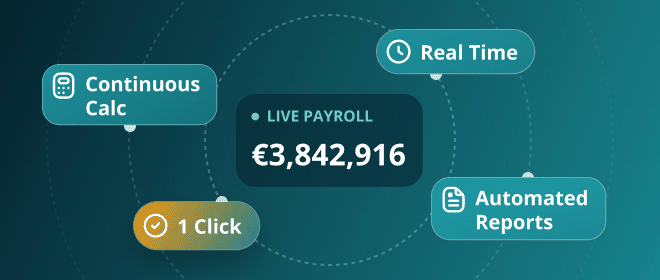
Payroll Cycle in Kenya: As your Employer of Record in Kenya, Mercans manages the entire payroll cycle, ensuring accurate and timely salary payments to both your employees and contractors. From data collection to payment disbursement, we oversee every aspect of the process, alleviating you of its complexities.

Local Currency Payments in Kenya: A key feature of our payroll expertise as your Employer of Record in Kenya is our management of multi-currency payrolls. We guarantee that all payments are processed in the local currency, in compliance with Kenyan labor laws and regulations. This simplifies payroll distribution for your employees, eliminating the need for currency conversions.

Payroll Setup, Processing, and Administration with EOR in Kenya: Our skilled team as your Employer of Record in Kenya takes charge of comprehensive payroll setup, processing, and administration. Whether you need assistance in establishing payroll systems, conducting regular payroll cycles, or managing various payroll components, we have the expertise and capability to ensure a seamless, error-free process.

Ensuring Compliance as your Employer of Record in Kenya: Compliance forms the foundation of our payroll services as your Employer of Record in Kenya. We meticulously handle all statutory filings and payments, ensuring strict adherence to local tax laws and regulations. Our deep understanding of local compliance requirements ensures your organization maintains a favorable standing with relevant authorities.

With Mercans as your Employer of Record in Kenya, you can focus on your core business activities, entrusting the complexities of payroll management to our capable hands. Our extensive knowledge and experience guarantee a payroll experience that is both effortless and compliant with Kenyan regulations, making us your trusted Employer of Record in Kenya.

Personal Income Tax in Kenya

Personal income tax in Kenya is a fundamental aspect of the country’s tax system, directly affecting individuals’ earnings and financial planning. Governed by the Kenya Revenue Authority (KRA), this tax is levied on all income earned by individuals from various sources, including employment, business activities, and investments. The tax structure is progressive, with rates increasing with higher income brackets, ensuring that taxation is equitable. Understanding the nuances of personal income tax, including tax rates, deductions, and compliance requirements, is essential for individuals to effectively manage their finances and fulfill their legal obligations.

  • Resident Taxation: Residents of Kenya are subject to personal income tax on income accrued in or derived from Kenya and on foreign employment income earned from services rendered outside Kenya.
  • Non-Resident Taxation: Non-residents are only taxed on income earned from within Kenya or derived from Kenya.

Tax Rates (currently applied for PAYE):

Annual taxable income (KES) Tax rate (%)
Up to 288,000 10
Next 100,000 25
Next 5,612,000 30
Next 3,600,000 33
Over 9,600,000 35

The maximum tax rate of 35% applies to income exceeding KES 9,600,000 annually.

  • Personal Relief: Resident individuals are eligible for a monthly personal relief of KES 2,400.
  • Residential Rental Income Tax: Residents earning income from residential property in Kenya are liable to pay residential rental income tax. The rate remains 7.5% on gross rental income for qualifying landlords under the residential rental income regime.
  • Tax Filing and Payment: Employers must file and remit monthly PAYE through iTax by the 9th day of the following month. Landlords under the residential rental income tax regime generally file and pay by the 20th day of the following month.
  • Allowable Deductions in PAYE: Deductible items in determining taxable employment income include qualifying pension contributions, Affordable Housing Levy, and contributions made to the Social Health Insurance Fund (SHIF), subject to the applicable law.

Kenya Employee Hiring Cost

For example, if the gross monthly salary of a person in Kenya is 100,000 Kenyan Shillings (KES), this amount represents the employee’s monthly salary before statutory deductions and forms the core of the employment cost calculation.

Explanation

  • Gross Annual Salary: For a monthly salary of KES 100,000, the gross annual salary is KES 1,200,000 before deductions.
  • Annual Employer Costs: These costs include statutory obligations such as NSSF contributions, Affordable Housing Levy, the NITA levy, and any other applicable employer-side obligations and benefits.
  • Total Annual Cost: This figure represents the overall financial commitment that an employer in Kenya undertakes to hire and maintain the employment of the individual for a full year. It includes both the gross salary paid to the employee and the additional costs related to statutory contributions and employee benefits.
Employer costs in Kenya (2026) Amount
Gross annual salary USD 10,000.00
Annual employer costs Not a fixed single USD amount
1) Affordable Housing Levy (employer) 1.5% of gross salary = USD 150.00
2) NSSF (employer) Up to KES 25,920 per year for a standard formal employee at the cap, unless Tier II is validly opted out to another approved scheme
3) NITA levy KES 600 per employee per year
4) WIBA insurance Varies by insurer, payroll, and risk class
Total annual cost Gross salary + AHL + NSSF + NITA + WIBA premium

Employer Costs in Kenya Employing individuals in Kenya entails various employer costs, encompassing mandatory social security contributions and other statutory items. Let’s delve into the breakdown of employer costs for an employee earning a Gross Monthly Salary of KES 100,000:

  • Social Security Contributions: Employers in Kenya are currently required to contribute up to KES 2,160 per month to NSSF for employees at or above the contribution ceiling, matched against the employee’s contribution.
  • Affordable Housing Levy: Employers are also required to contribute 1.5% of gross monthly salary, which for a salary of KES 100,000 is KES 1,500 per month.
  • Total Annual Cost: Excluding optional benefits and sector-specific insurance, the annual employer cost for a KES 100,000 monthly salary will generally exceed the annual gross salary by the statutory employer-side contributions. Based on NSSF and AHL alone, this brings the annual cost to at least KES 1,243,920 before considering NITA, WIBA, pension, or other employer-provided benefits.

Employee Benefits in Kenya

Employee benefits in Kenya encompass the supplementary compensation and protections beyond basic salaries that employers provide to their workforce. These benefits, which include healthcare insurance, paid leave, maternity and paternity leave, retirement plans, and childcare benefits, are essential for fostering employee well-being and satisfaction. They not only enhance job security and morale but also play a crucial role in talent retention strategies for employers.

  • Legal Framework: Kenya’s Employment Act guarantees fundamental rights for all employees, ensuring fair labor practices, protection from coercion and exploitation, timely payment of wages, and guidelines for employment relationships and termination procedures. Minimum wages vary by industry, occupation, and location under the applicable wage orders.
  • Regulatory Framework: Additional regulatory frameworks such as the Labour Institutions Act, Occupational Safety and Health Act, Work Injury Benefits Act, National Social Security Fund Act, and the new social health framework further safeguard employees’ rights and welfare.
  • Mandatory Benefits: Kenyan law mandates certain employee benefits, which employers must include in their benefits programs before offering any voluntary benefits. These mandatory benefits include annual leave, pension contributions, public holidays, sick leave, maternity and paternity leave, housing or house allowance, and mandatory deductions for healthcare and social security.
  • Proposed Legislative Changes: Employers should continue monitoring legislative developments affecting employee welfare and workplace practices, including any future amendments to employment, social security, and payroll laws.

Work Permit in Kenya

A work permit in Kenya, also known as a Class D Permit or Employment Permit, is issued to foreign nationals seeking employment within the country. This permit allows non-Kenyan citizens to legally reside and work in Kenya upon meeting specific requirements.

To apply for a Class D work permit in Kenya, the foreign national must first secure a job offer from a Kenyan employer. The employer initiates the application process on behalf of the employee and must provide documentation substantiating the job offer, including a formal employment contract. The employee, in turn, needs to furnish proof of qualifications, work experience, a valid passport, and other essential documents as stipulated by immigration regulations.

Qualification for a work permit in Kenya generally hinges on possessing skills and expertise that are scarce in the local labor market. Additionally, foreign-owned businesses may be allocated work permit slots for key strategic employees, subject to immigration office discretion. The application process necessitates comprehensive documentation from both the employer and employee to enhance the likelihood of a successful outcome.

Work permits in Kenya are issued with the aim of safeguarding local employment opportunities for Kenyan citizens while facilitating the entry of foreign nationals who can contribute specialized skills beneficial to the country’s development.

A Class D Employment Work Permit is typically granted for a period approved by the immigration authorities and may be renewed subject to continued eligibility and approval. The process is handled online through the eFNS portal and requires submission of the prescribed application and supporting documents.

The cost associated with obtaining a Class D work permit in Kenya includes a non-refundable processing fee of Kshs 20,000. Upon approval of the permit, an issuance fee of Kshs 500,000 per year is payable. East African Community member states are exempt from the issuance fee under the published fee schedule.

EOR Solutions in Kenya

Mercans offers comprehensive Employer of Record (EOR) services tailored for businesses in Kenya that have identified their preferred candidates. Our services cover the entire employee lifecycle, ensuring strict adherence to Kenya’s labor laws and regulations.

EOR and Recruitment Services
For organizations seeking support with talent acquisition, our integrated EOR and recruitment solutions provide a holistic approach. Leveraging our extensive network and industry expertise, we assist in sourcing, onboarding, and retaining top talent, facilitating your market expansion in Kenya.
Visa Sponsorship and Global Mobility Support
Simplify expatriate employment complexities with Mercans’ visa sponsorship and global mobility services tailored for Kenya. We manage relocation processes for your international workforce, ensuring compliance with Kenya’s immigration and employment regulations.
Assistance on Record (AOR) for Contractor Payments
Mercans simplifies contractor payment complexities through our Assistance on Record (AOR) services in Kenya. We ensure precise and compliant handling of contractor payments, alleviating administrative burdens for your business.
Transitioning Freelancers to Employees
Facilitate the seamless conversion of independent contractors into permanent employees in Kenya with Mercans’ specialized approach. We ensure smooth transitions while meeting all legal obligations.
HCM Integration
Integrate Mercans’ EOR services seamlessly with your Human Capital Management (HCM) system in Kenya for streamlined data exchange, enhanced compliance, and operational cost-efficiency. Rely on our expertise for unified, compliant, and efficient workforce management and payroll operations.

Best Employer of Record Kenya

Mercans is the best employer of record in Kenya because of the following reasons

  • Compliant with The Federation of Kenya Employers (FKE): Mercans ensures full compliance with the regulations set by The Federation of Kenya Employers, guaranteeing that all employment practices adhere to local labor laws and standards. This commitment not only protects employees but also mitigates risks for businesses operating in the region.
  • Own Entity: Operating as an independent entity, Mercans provides businesses with the flexibility and reliability needed in the employment landscape. This autonomy allows for tailored solutions that align with specific company needs while maintaining high standards of service and compliance.
  • Supports All Employment Types: Mercans excels in managing a diverse range of employment types, including employees, freelancers, contractors, and expatriates. This versatility ensures that businesses can efficiently engage a broad spectrum of talent, allowing for dynamic workforce management tailored to evolving project needs.
  • Suitable for Enterprise Businesses: Designed to meet the needs of large organizations, Mercans offers robust solutions that are ideal for enterprise-level businesses. The platform provides scalability and comprehensive support, allowing enterprises to manage extensive payroll and HR requirements seamlessly.
  • Supports Multiple Currencies: Mercans facilitates transactions in various currencies, making it easier for businesses to operate internationally. This feature is particularly advantageous for companies with global operations, allowing them to manage payroll and expenses without currency conversion hassles.
  • Global Presence and Multi-Country Payroll Capabilities: With a strong global presence, Mercans provides multi-country payroll capabilities that simplify international workforce management. This extensive reach allows businesses to navigate different regulatory environments efficiently and ensures that all employees are paid accurately and on time, regardless of their location.
  • GDPR Certified, SOC 1 & SOC 2 Compliant: Mercans prioritizes data protection and privacy, being GDPR certified and SOC 1 & SOC 2 compliant. This commitment to data security reassures businesses that their employee information is handled responsibly and in accordance with international standards.
  • ISO 20000 & ISO 27001 Certified: Holding ISO 20000 and ISO 27001 certifications, Mercans demonstrates its dedication to quality service management and information security. These certifications reflect the company’s commitment to continuous improvement and the protection of sensitive data, ensuring that clients can trust their operations with Mercans.
  • OWASP ASVS 3.0 Compliant: By adhering to OWASP ASVS 3.0 standards, Mercans showcases its commitment to application security. This compliance ensures that the software used for managing payroll and HR functions is secure against potential threats, further protecting client and employee data.
  • HRBlizz: Mercans HR Blizz is a proprietary global payroll and talent management SaaS suite that streamlines payroll processes while ensuring compliance with local regulations. With over 1,000 in-country specialists, it provides expert knowledge of labor laws and business protocols.
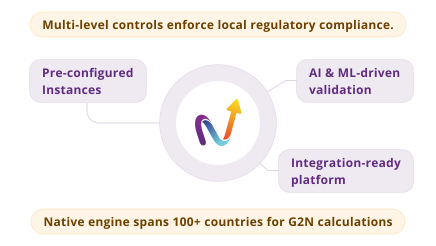
  • G2N Nova: G2N Nova provides global gross-to-net payroll processing in over 100 countries, making it the world’s most advanced native payroll engine. Available as a SaaS or service delivery platform, it can function as a stand-alone solution or integrate seamlessly with major HCM and Workforce Management systems.

Conclusion

Mercans provides essential Employer of Record (EOR) services in Kenya, designed to support businesses in navigating the complexities of local employment regulations and workforce management. Our comprehensive solutions span the entire employee lifecycle, ensuring compliance with Kenya’s labor laws and seamless operational efficiency. Whether you are expanding into Kenya or seeking to optimize your existing operations, Mercans’ EOR services offer reliable support in talent acquisition, compliance management, visa sponsorship, and contractor payment processing. Trust Mercans to streamline your operations, mitigate risks, and enhance your organizational agility in Kenya’s dynamic business environment.

This document was prepared for informational purposes only. As local laws & regulations keeps on changing. Please consult your tax & legal advisors as well.
Contact Sales
Let's get this conversation started. Tell us a bit about your requirement, and we'll get in touch a soon as we can.

    Sample message

    1. We want to expand in $country

    2. We want you to employ 'X' number of employees on our behalf

    3. Contract duration – 3/6/9/12/18/24 months

    4. Number of legal entities (if any exist today)

    5. Employment type: EOR employee or contractor?

    6. Any benefits requirement or “standard statutory only”?

    FAQs

    What is an Employer of Record (EOR) in Kenya?

    An Employer of Record (EOR) in Kenya is a third-party service provider that legally employs workers on behalf of another company. The EOR manages all employment-related responsibilities, including contracts, payroll, taxes, benefits, and compliance with Kenyan labor laws, enabling businesses to hire employees without establishing a local entity.

    How can foreign companies hire employees in Kenya without setting up a local entity?

    Foreign companies can engage an EOR to hire employees in Kenya. The EOR assumes the legal employer role, handling all statutory obligations, while the client company manages the employee’s daily tasks. This approach allows businesses to operate in Kenya without the need for a local branch or subsidiary.

    What compliance, payroll, and HR services does an EOR in Kenya provide?

    An EOR in Kenya ensures compliance with local labor laws by managing employment contracts, processing payroll, withholding and remitting taxes, making statutory contributions, administering mandatory benefits, and completing statutory filings. They also handle work permits and visa sponsorship for expatriate employees.

    What are the benefits of using EOR services in Kenya?

    Utilizing an EOR in Kenya offers several advantages: it simplifies market entry by eliminating the need for a local entity, ensures compliance with complex labor laws, reduces administrative burdens, mitigates legal risks, and accelerates the hiring process.

    How much does it cost to hire employees through an EOR in Kenya?

    The cost of hiring through an EOR in Kenya varies depending on the provider and the services included. Generally, fees can range from $500 to $2,000 per employee per month. It’s advisable to consult with the EOR provider for a detailed pricin

    Is an EOR the right solution for expanding a business into Kenya?

    An EOR is an effective solution for businesses looking to expand into Kenya without the complexities of setting up a local entity. It provides a compliant and efficient way to hire employees, allowing companies to focus on their core operations while the EOR manages employment-related tasks.

    Ready to hire in Kenya?

    No local entity needed. Our experts handle payroll, compliance, and onboarding.

    Talk to an expert
    Proven expertise in global payroll.