Digital Nomad Payroll: Tax, Compliance & Employer Responsibilities

Digital nomad payroll refers to the process of paying employees who work remotely while living or travelling across different countries or jurisdictions. It involves more than processing salary payments. Employers may need to manage income tax, social security contributions, employment laws, benefits, payroll reporting, work authorization, and data protection requirements in the countries where digital nomads work.

A digital nomad may be employed by a company in one country while physically performing their work from another. This arrangement can create additional payroll and compliance considerations because the employee’s location can affect tax obligations, social security, employment rights, and potentially the employer’s obligations in that jurisdiction.

Digital nomad payroll is therefore closely connected with global payroll, remote work, international employment, tax compliance, employee classification, and Employer of Record (EOR) services.

How Does Digital Nomad Payroll Work?

Digital nomad payroll generally starts by determining where the employee is legally employed and where they are physically performing their work.

An employer should assess:

  • Where the employee is physically working
  • How long the employee will remain in each country
  • Whether the employee has the legal right to work there
  • Whether local income tax obligations apply
  • Whether social security contributions are required
  • Which employment laws apply
  • Whether the arrangement could create employer tax or permanent-establishment considerations
  • Which payroll reporting and withholding requirements apply
  • Whether employee information can legally be transferred or stored across borders

These requirements can vary significantly between countries. A remote employee working temporarily from another jurisdiction may have different obligations from a worker who permanently relocates abroad.

For this reason, digital nomad payroll should be treated as a cross-border employment and compliance issue, rather than simply a remote-work benefit.

Digital Nomad Payroll and Taxation

Tax is one of the most important considerations when employing digital nomads.

An employee’s tax position can depend on factors such as:

  • Tax residency
  • Physical presence in a country
  • Employment location
  • Length of stay
  • Local tax legislation
  • Tax treaties
  • Employer location
  • Income source
  • Local registration requirements

A digital nomad may potentially have tax obligations in more than one jurisdiction. Tax treaties and local rules can sometimes determine which country has taxing rights or provide mechanisms to reduce double taxation.

Employers should therefore avoid assuming that an employee remains subject only to the tax rules of the country where the employer is headquartered.

Social Security and Digital Nomad Payroll

Social security is another important part of international payroll.

Depending on the countries involved, an employee may be required to participate in local social insurance or pension systems. In some circumstances, bilateral or multilateral social security agreements may affect whether contributions are required in one or multiple countries.

Payroll teams may need to determine:

  • Employer social security contributions
  • Employee social security deductions
  • Pension obligations
  • Health insurance contributions
  • Unemployment insurance
  • Local registration requirements
  • Applicable social security agreements

The correct treatment depends on the employee’s circumstances and the laws applicable to the countries involved.

Digital Nomad Payroll Compliance

Payroll compliance for digital nomads can involve several regulatory areas at the same time.

Employers should consider:

Employment Law

Working from another country can bring local employment protections into consideration. These may include minimum employment standards, working hours, leave, termination rules, benefits, and mandatory employment documentation.

Tax Withholding

The employer may have withholding, reporting, or registration obligations depending on where the employee works and their tax status.

Work Authorization

A digital nomad visa does not necessarily mean that every form of employment is automatically permitted. Employers should verify whether the employee has the appropriate authorization to perform their work.

Social Security

Employers should determine whether local social security contributions apply and whether an international agreement changes the contribution position.

Data Protection

Payroll involves highly sensitive employee information. Cross-border processing and transfers of payroll data should comply with applicable privacy and data-protection requirements.

Payroll Reporting

Some jurisdictions require employers to submit payroll information, employee tax records, social security information, or other statutory reports to local authorities.

Digital Nomad Payroll vs. Traditional Remote Payroll

Traditional remote payroll usually involves an employee working remotely from the same country in which they are employed.

Digital nomad payroll is more complex because the employee may move between jurisdictions or work from a country different from the employer’s legal entity.

For example, a company may employ an individual under a contract in Country A while that employee spends several months working from Country B. The employer may then need to assess whether the employee’s physical presence in Country B creates additional payroll, tax, employment, or registration requirements.

The distinction is important because where an employee works can matter as much as where the employer is located.

Employer Responsibilities for Digital Nomads

Employers should establish a clear digital nomad or international remote-work policy before allowing employees to work from other countries.

A policy can define:

  • Approved countries
  • Maximum permitted working days abroad
  • Employee approval procedures
  • Tax and immigration responsibilities
  • Work authorization requirements
  • Payroll reporting requirements
  • Data security requirements
  • Insurance and benefits coverage
  • Expense reimbursement
  • Emergency contacts
  • Restrictions on working from certain jurisdictions

Employers should also maintain accurate records of employee work locations. These records can help payroll and HR teams identify when an employee’s location changes and when a new compliance assessment may be necessary.

Digital Nomad Payroll and Employee Classification

Employers should also ensure that digital nomads are correctly classified as employees or independent contractors.

Changing the label of a worker does not necessarily determine their legal status. Classification can depend on factors such as the level of control exercised by the business, the nature of the working relationship, and applicable local law.

Incorrect classification can result in additional tax, social security, employment, and penalty exposure.

For example, the U.S. Internal Revenue Service notes that a remote worker can still be an employee under applicable employment classification rules when the employer controls what work is performed and how it is performed. Local rules in other jurisdictions can differ.

Digital Nomad Payroll and Employer of Record Services

An Employer of Record (EOR) can help companies employ workers internationally without establishing their own legal entity in every country.

An EOR can manage employment administration such as:

  • Local employment contracts
  • Payroll processing
  • Tax withholding
  • Statutory contributions
  • Employee benefits
  • Local compliance
  • Employment documentation

Mercans provides Employer of Record services across 160+ countries, supporting businesses that need to hire and manage international employees while handling local employment, payroll, tax, and compliance requirements.

For companies managing digital nomads or internationally distributed employees, an EOR can be considered when establishing a local entity is not practical or when specialist local employment support is required.

How Mercans Supports Global Payroll for International Workers

Mercans provides global payroll technology and Employer of Record services designed for businesses managing employees across multiple jurisdictions.

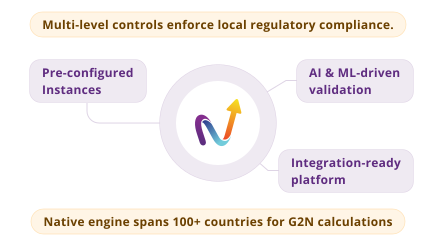
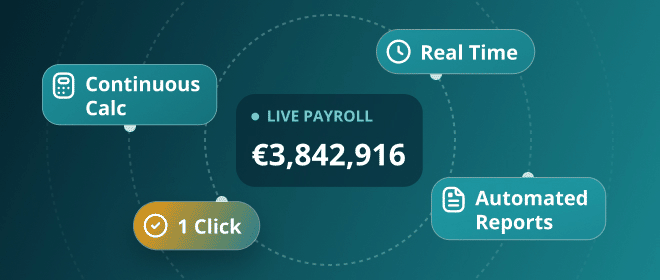
Its global payroll solutions support payroll operations across 160 countries and payments in more than 100 currencies. The platform is designed to centralize payroll operations while supporting country-specific payroll and compliance requirements.

Mercans also uses AI and machine learning within its payroll technology for capabilities such as real-time anomaly detection, compliance automation, and payroll insights.

For businesses managing digital nomads, internationally distributed employees, or multiple payroll jurisdictions, these capabilities can help payroll teams identify exceptions and manage complex payroll processes more efficiently.

AI and Digital Nomad Payroll

Artificial intelligence is increasingly being incorporated into payroll technology to help organizations identify payroll anomalies, automate repetitive processes, and analyze payroll information.

For digital nomad payroll, AI-powered payroll systems can be particularly useful when organizations manage large volumes of employee data across multiple countries.

Potential applications include:

  • Detecting unusual payroll changes
  • Identifying missing or inconsistent payroll information
  • Supporting payroll validation
  • Automating repetitive payroll processes
  • Identifying potential compliance exceptions
  • Generating payroll insights
  • Supporting real-time payroll calculations

AI should support payroll professionals rather than replace appropriate legal, tax, and compliance review. Country-specific regulations can change, and complex employee situations may require specialist advice.

Best Practices for Managing Digital Nomad Payroll

Businesses can reduce payroll and compliance risks by establishing a structured process for international remote workers.

Track Employee Locations

Maintain accurate records of where employees are working and for how long.

Establish Country Approval Rules

Create a list of countries where employees can work remotely and define any restrictions.

Assess Tax and Payroll Requirements

Review tax withholding, social security, employment, and reporting requirements before an employee begins working from a new jurisdiction.

Verify Work Authorization

Confirm that employees have the appropriate visa or work authorization for their activities.

Review Employee Classification

Make sure workers are correctly classified under the applicable employment laws.

Protect Payroll Data

Use secure systems and appropriate controls when processing employee information across borders.

Automate Payroll Where Possible

Global payroll technology can reduce manual processes and help payroll teams identify inconsistencies before payroll is finalized.

Review the Arrangement Regularly

A digital nomad’s tax and compliance position can change when their location, duration of stay, employment structure, or local legislation changes.

Digital Nomad Payroll: Key Takeaway

Digital nomad payroll is the management of payroll and employment obligations for workers who perform their jobs while living or travelling across different countries.

The main challenges include tax residency, payroll withholding, social security, employment law, work authorization, employee classification, data protection, and statutory reporting.

For organizations with internationally distributed teams, a combination of global payroll technology, local compliance expertise, and appropriate employment structures can help simplify these responsibilities.

Mercans supports international businesses through global payroll, Employer of Record, and payroll technology solutions designed to manage cross-border workforce requirements.

Frequently Asked Questions About Digital Nomad Payroll

What is digital nomad payroll?

Digital nomad payroll is the process of paying and managing employees who work remotely while living or travelling between different countries. It can include payroll calculations, tax withholding, social security, benefits, employment compliance, and statutory reporting.

Do digital nomads have to pay tax in the country where they work?

Potentially. Tax obligations depend on factors such as physical presence, tax residency, local legislation, employment arrangements, and applicable tax treaties. Employees and employers should assess the rules of each relevant jurisdiction rather than assuming that tax is owed only in the employer’s home country.

Can an employee work from another country without changing payroll?

Not necessarily. Working from another country can create new tax, social security, employment, immigration, or payroll obligations. Employers should assess the employee’s circumstances and the local rules before approving international remote work.

Can an Employer of Record hire a digital nomad?

An Employer of Record can employ workers in countries where it provides EOR services, subject to the applicable local employment, immigration, tax, and compliance requirements. The exact structure depends on where the employee is working and the nature of the employment arrangement.

How does AI help with digital nomad payroll?

AI can help payroll teams analyze payroll information, identify anomalies, automate repetitive processes, and support compliance monitoring. AI-powered payroll technology can be particularly useful for organizations managing large amounts of payroll data across multiple jurisdictions.

What are the biggest payroll risks for digital nomads?

Common risks include incorrect tax withholding, social security errors, worker misclassification, unauthorized work, failure to comply with local employment laws, inaccurate work-location records, and inappropriate cross-border handling of employee data.

Can Mercans manage payroll for international remote employees?

Mercans provides global payroll and Employer of Record services across multiple jurisdictions. Its global payroll technology supports multi-country payroll processing, compliance workflows, reporting, and international payments, while its EOR services support compliant employment in countries where businesses may not have their own local entity.